

Trailer brakes play a critical role in keeping trucks, trailers, drivers, and everyone else on the road safe. When trailer brakes fail, the results can be dangerous and costly. Brake failure can lead to longer stopping distances, accidents, damaged cargo, expensive repairs, and vehicle downtime.Understanding the common causes of trailer brake failure can help drivers and fleet owners take the right steps to prevent problems before they become serious. Regular inspections, proper maintenance, and early repairs can significantly improve safety and performance.In this guide, we will explain the most common causes of trailer brake failure and provide practical tips to help prevent brake-related issues.
Why Trailer Brakes Are Important
Trailer brakes are designed to help slow down and stop heavy trailers safely. Because trailers often carry significant weight, relying solely on the truck’s braking system is not enough.A properly functioning trailer brake system helps:
- Improve stopping power
- Reduce wear on the truck’s brakes
- Increase road safety
- Protect cargo from damage
- Meet transportation regulations
- Prevent costly breakdowns
When any part of the brake system fails, overall vehicle control can be affected.
Common Causes of Trailer Brake Failure
1. Worn Brake Pads or Brake Shoes
One of the most common causes of brake failure is normal wear and tear. Brake pads and brake shoes gradually wear down as they create friction to stop the trailer.Signs of worn brake components include:
- Reduced braking performance
- Grinding noises
- Longer stopping distances
- Uneven braking
If brake pads or shoes become too thin, they may no longer provide enough stopping power.
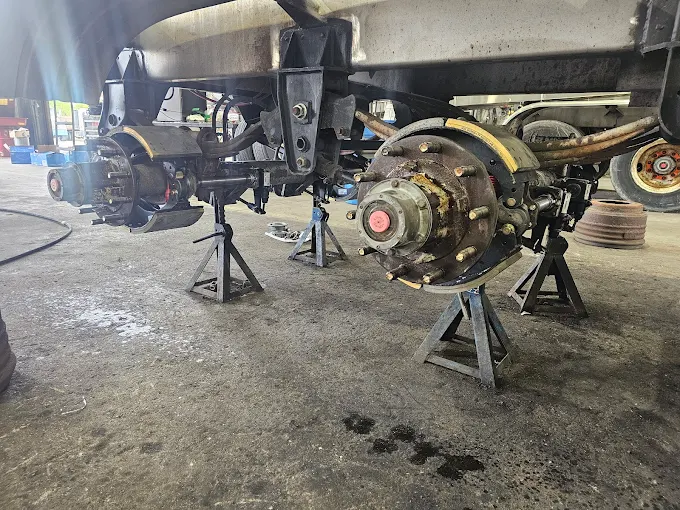
2. Air Brake System Leaks
Many commercial trailers use air brake systems. These systems rely on compressed air to activate the brakes.When air leaks occur, brake performance can decrease significantly.Common leak locations include:
- Air hoses
- Air lines
- Fittings
- Valves
- Air tanks
Even a small leak can reduce air pressure and affect braking efficiency.
3. Brake Overheating
Brake overheating occurs when brakes are used excessively or continuously for long periods.Common causes include:
- Driving downhill without proper braking techniques
- Carrying heavy loads
- Stuck brake components
- Poor brake adjustment
Excessive heat can damage brake pads, drums, rotors, and other brake system components.
4. Poor Brake Adjustment
Brake systems require proper adjustment to function correctly.When brakes are out of adjustment:
- Braking becomes uneven
- Stopping distances increase
- Components wear faster
- Safety risks increase
Regular inspections help identify adjustment issues before they lead to failure.
5. Damaged Brake Drums or Rotors
Brake drums and rotors experience significant stress during operation.Over time they may develop:
- Cracks
- Excessive wear
- Warping
- Heat damage
Damaged drums or rotors reduce braking effectiveness and can lead to complete brake failure if ignored.
6. Faulty Brake Chambers
Brake chambers convert air pressure into mechanical force that activates the brakes.When brake chambers fail, the brakes may:
- Respond slowly
- Fail to engage properly
- Become completely inoperative
Regular inspections can help identify damaged or leaking brake chambers.
7. Corrosion and Rust
Trailers are constantly exposed to weather, road salt, moisture, and dirt.Over time, corrosion can affect:
- Brake lines
- Drums
- Rotors
- Springs
- Mounting hardware
Rust weakens components and can cause mechanical failures.
8. Electrical Problems
Modern trailers often use electrical brake systems or electronic brake monitoring components.Electrical issues may include:
- Broken wires
- Corroded connectors
- Blown fuses
- Faulty controllers
These problems can prevent the brakes from functioning correctly.
9. ABS System Malfunctions
Anti-lock Braking Systems (ABS) help prevent wheel lockup during emergency braking.When ABS components fail, drivers may notice:
- Warning lights
- Reduced braking performance
- Loss of traction control
ABS issues should be diagnosed and repaired as soon as possible.
10. Lack of Preventive Maintenance
Many brake failures occur simply because routine maintenance is neglected.Without regular inspections, small issues can quickly become major problems.Preventive maintenance helps identify:
- Worn components
- Air leaks
- Brake adjustment problems
- Corrosion
- Electrical faults
Early detection reduces repair costs and improves safety.
Warning Signs of Trailer Brake Problems
Recognizing brake issues early can prevent serious failures.Watch for these warning signs:
Unusual Noises
Grinding, squealing, or scraping sounds often indicate worn brake components.
Increased Stopping Distance
If the trailer takes longer to stop than usual, the brakes may need inspection.
Brake Warning Lights
ABS or brake system warning lights should never be ignored.
Pulling to One Side
Uneven braking can cause the trailer to pull left or right during stopping.
Vibrations During Braking
Shaking or vibrations may indicate damaged rotors, drums, or other brake components.
Air Pressure Loss
Frequent drops in air pressure often signal leaks in the brake system.
How to Prevent Trailer Brake Failure
Perform Regular Brake Inspections
Routine inspections are one of the most effective ways to prevent brake failure.Inspect:
- Brake pads
- Brake shoes
- Drums
- Rotors
- Air lines
- Brake chambers
- Electrical connections
Regular checks help identify wear before it becomes dangerous.
Follow a Preventive Maintenance Schedule
A structured maintenance plan ensures all brake components receive proper attention.Maintenance should include:
- Lubrication
- Cleaning
- Brake adjustment
- Component replacement
- Air system testing
Consistent maintenance extends the life of the braking system.
Check Air Systems Frequently
For trailers using air brakes, monitor air pressure regularly.Inspect for:
- Leaks
- Cracked hoses
- Loose fittings
- Damaged valves
Maintaining proper air pressure is essential for safe braking.
Replace Worn Components Promptly
Never delay replacing worn brake parts.Replacing components early helps prevent:
- More expensive repairs
- Vehicle downtime
- Safety risks
- Brake system failures
Avoid Brake Overheating
Drivers can reduce brake overheating by:
- Using engine braking when possible
- Maintaining safe speeds on hills
- Avoiding aggressive braking
- Distributing loads properly
Good driving habits help protect the braking system.
Protect Components from Corrosion
Regular cleaning helps reduce rust and corrosion.Focus on:
- Brake assemblies
- Air lines
- Connectors
- Hardware
Removing dirt, salt, and moisture can extend component life.
Test ABS Systems Regularly
Ensure the ABS system is functioning properly by checking warning lights and performing routine diagnostics.Address any faults immediately to maintain optimal braking performance.
The Importance of Professional Brake Service
While daily inspections are important, professional inspections provide a deeper evaluation of the brake system.Qualified technicians can identify hidden issues such as:
- Internal air leaks
- Brake chamber damage
- ABS faults
- Drum and rotor wear
- Improper brake adjustments
Many fleet operators trust Big Body Mechanic Trucks & Trailer Repair for professional inspections and maintenance that help keep trailers safe and road-ready.
Conclusion
Trailer brake failure can occur for many reasons, including worn brake components, air leaks, overheating, poor adjustments, corrosion, and lack of maintenance. Fortunately, most brake problems can be prevented through routine inspections and preventive maintenance.Keeping the brake system in good condition improves safety, reduces repair costs, minimizes downtime, and helps ensure reliable performance on every trip. By identifying warning signs early and following a consistent maintenance schedule, drivers and fleet owners can greatly reduce the risk of trailer brake failure.
Frequently Asked Questions
What is the most common cause of trailer brake failure?
Worn brake pads, brake shoes, and air system leaks are among the most common causes of trailer brake failure.
How often should trailer brakes be inspected?
Trailer brakes should be inspected regularly according to manufacturer recommendations and during routine maintenance checks.
Can air leaks cause brake failure?
Yes. Air leaks reduce system pressure and can significantly affect braking performance in air brake systems.
What are the signs of bad trailer brakes?
Common signs include grinding noises, longer stopping distances, brake warning lights, vibrations, and uneven braking.
How can I prevent trailer brake problems?
Regular inspections, preventive maintenance, timely repairs, and proper driving habits are the best ways to prevent brake issues.
Why is brake maintenance important for commercial trailers?
Brake maintenance improves safety, reduces downtime, prevents costly repairs, and helps ensure compliance with transportation regulations.