

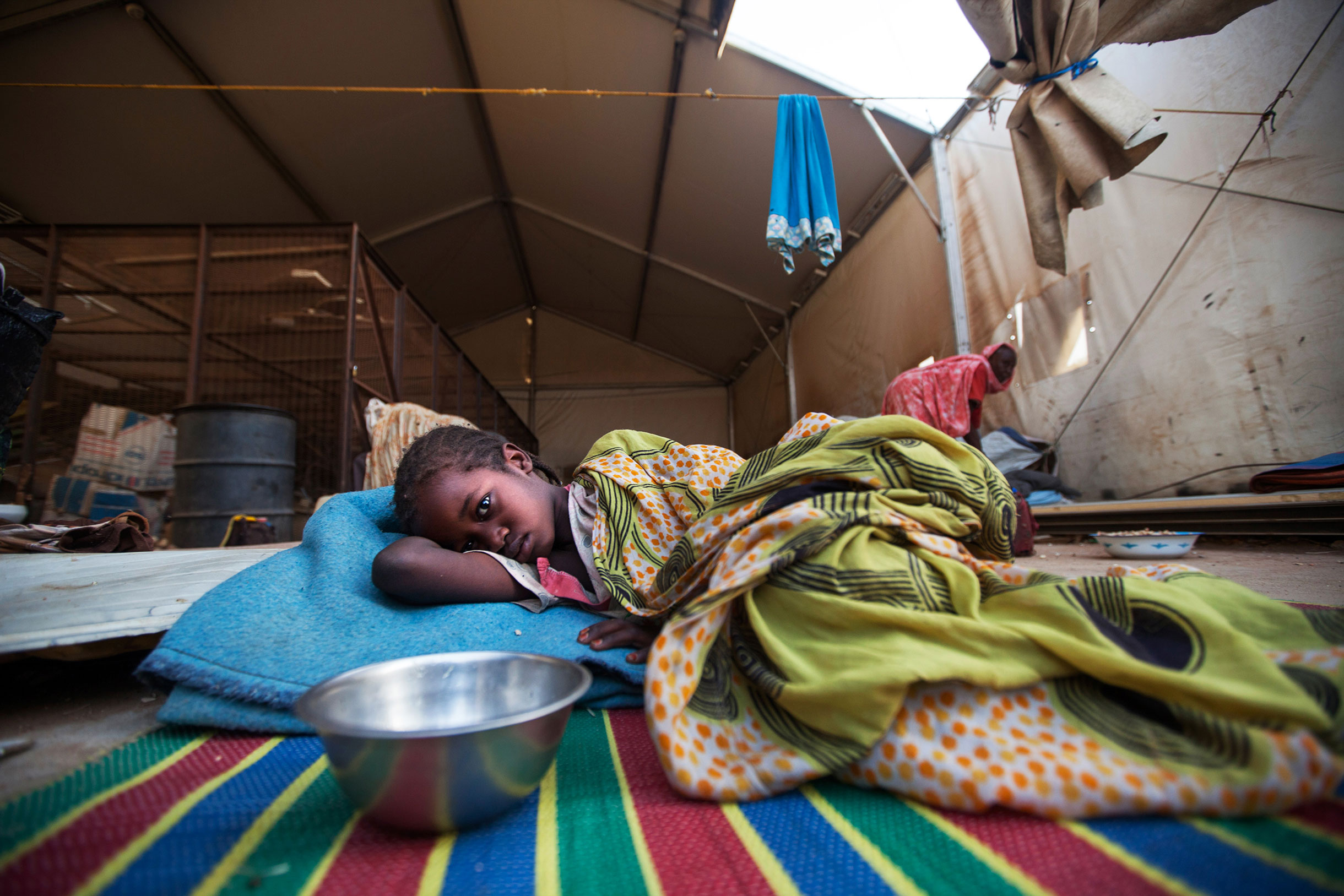
Displacement produces a cascade of information needs that are almost never fully anticipated by either the displaced person or the systems they encounter. In the days and weeks after arriving in a new country, a refugee or displaced person must navigate legal processes, housing applications, healthcare registration, school enrolment for children, and financial system access. Each of these systems is mediated by complex written documentation in a language the person may not speak, following procedures they have no framework to anticipate, with consequences for errors that can be severe and long-lasting.
The documentary landscape of displacement
The volume of documentation involved in resettlement is substantial. A single asylum application can involve tens of pages of forms requiring detailed personal and historical information. Supporting documentation requirements vary by jurisdiction and change without notice. Legal correspondence about case status uses specialised vocabulary that is difficult to interpret even for educated native speakers of the language in question. Housing application processes involve lease agreements and rental regulations. Healthcare systems have patient rights documentation, consent forms and referral letters.
For a person managing trauma, unfamiliarity with bureaucratic systems, and linguistic barriers simultaneously, this documentary landscape is not merely complex. It is genuinely overwhelming. The consequence is not merely administrative inconvenience. Rights are not asserted. Deadlines are missed. Applications are not completed or are completed incorrectly. Legal status may be jeopardised by documentary errors that a better-supported person would not make.
The language barrier as a compounding factor
The language barrier in displacement documentation operates at multiple levels simultaneously. At the lexical level, the vocabulary of legal and administrative documents is specialised even within a language that the person otherwise speaks at a basic conversational level. Conversational French and legal French are not the same thing. At the structural level, administrative documents use passive constructions, complex dependent clauses and implicit reference structures that are difficult for non-native readers even when the individual words are known. At the procedural level, the logic of how to use a document, what to fill in, what to attach, where to submit, what happens next, often assumes familiarity with systems that the displaced person has never encountered.
These three levels of barrier compound. A person who navigates the vocabulary barrier may still fail at the structural level. A person who handles both may still fail at the procedural level. Each layer of barrier represents a potential point of failure with real consequences for the person’s legal status, access to services and ability to build a stable new life.
What adequate informational support looks like
Adequate informational support for displaced people requires more than translation. Translation removes the language barrier at the lexical level but does not address the structural or procedural barriers. A translated version of a complex administrative form in which each question is rendered in the person’s native language is more accessible than the original, but if the form structure is complex and the procedural logic unclear, the translation alone does not make the form completable.
What is needed is a combination of accurate translation, structural clarification, procedural explanation, and access to human support for questions that written materials cannot fully address. Translation tools that move beyond literal conversion to provide reformulated, accessible versions of complex documents contribute to the first two of these needs. They cannot replace the human support that the latter two require.
The role of digital tools in emergency contexts
For displaced people in emergency situations, access to digital tools depends on connectivity and device access that cannot be assumed. But for those who do have smartphone access, which is a growing proportion of the displaced population globally, digital tools that can process documents in multiple languages without requiring registration or payment have genuine value in acute situations where professional support is not available.
The principle that access to information tools should be universal, free and frictionless has particular resonance in this context. A displaced person who needs to understand a legal notice in an unfamiliar language does not have the time, the stability or the resources to navigate registration requirements, subscription fees or complex interfaces. The tool that is immediately and freely available when it is needed is the tool that can make a difference in an acute situation.