

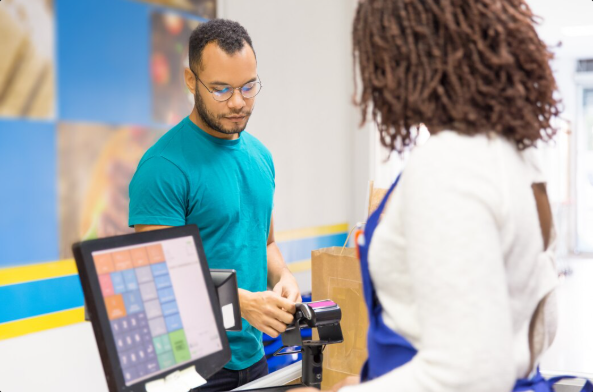
In today’s rapidly evolving digital economy, businesses are under constant pressure to improve efficiency, enhance customer experiences, and stay competitive. One of the most essential tools helping businesses achieve these goals is Point of Sale (POS) software. As we move into 2026, POS systems are no longer just tools for processing transactions—they have become comprehensive business management solutions.Whether you run a retail store, restaurant, or service-based business, adopting modern POS software is no longer optional. It is a necessity for growth, scalability, and survival. This article explores why every business needs Point of Sale software in 2026 and how it can transform operations.
What is Point of Sale Software?
Point of Sale software is a digital system that allows businesses to process sales transactions. However, modern POS systems go far beyond simple billing. They integrate multiple business functions such as inventory management, customer relationship management (CRM), reporting, and analytics.In 2026, POS software acts as the central hub of business operations, connecting sales, inventory, employees, and customers into one streamlined platform.
The Evolution of POS Systems
Traditional cash registers have evolved into intelligent cloud-based systems. Earlier, businesses relied on manual processes and standalone systems, which often led to inefficiencies and errors. Today’s POS software offers:
- Cloud-based access
- Real-time data tracking
- Integration with other tools
- Mobile and contactless payment support
- AI-driven insights
This evolution has made POS systems indispensable for businesses aiming to remain competitive in a digital-first world.
1. Improved Efficiency and Faster Transactions
Speed is critical in modern business environments. Customers expect quick service, whether they are shopping in-store or ordering food.POS software significantly reduces transaction time by automating billing processes. With features like barcode scanning, digital receipts, and integrated payment methods, businesses can serve more customers in less time.Faster transactions lead to:
- Reduced queues
- Better customer satisfaction
- Increased sales volume
2. Accurate Inventory Management
Inventory management is one of the biggest challenges for businesses. Manual tracking often leads to errors, stockouts, or overstocking.Modern POS systems provide real-time inventory updates. Every sale automatically adjusts stock levels, giving businesses accurate insights into their inventory.Benefits include:
- Avoiding stock shortages
- Reducing excess inventory
- Tracking product performance
- Automated reorder alerts
This level of accuracy helps businesses make better purchasing decisions and minimize losses.
3. Data-Driven Decision Making
In 2026, data is one of the most valuable assets for any business. POS software collects and analyzes data from every transaction, providing actionable insights.Business owners can access reports on:
- Sales trends
- Best-selling products
- Customer behavior
- Peak business hours
These insights help businesses:
- Optimize pricing strategies
- Improve product offerings
- Plan marketing campaigns effectively
Instead of relying on guesswork, businesses can make informed decisions backed by real data.
4. Enhanced Customer Experience
Customer expectations are higher than ever. They want personalized, fast, and seamless experiences.POS systems enable businesses to deliver this by:
- Storing customer purchase history
- Offering personalized discounts
- Enabling loyalty programs
- Supporting multiple payment options
When customers feel valued and understood, they are more likely to return. POS software helps build stronger customer relationships and improve retention.
5. Support for Multiple Payment Methods
Cash is no longer the dominant payment method. In 2026, customers expect flexibility in how they pay.Modern POS systems support:
- Credit and debit cards
- Mobile wallets
- QR code payments
- Contactless payments
- Buy now, pay later options
Providing multiple payment options not only improves convenience but also increases the likelihood of completing a sale.
6. Seamless Integration with Other Tools
Businesses today rely on various tools such as accounting software, eCommerce platforms, and marketing systems.POS software integrates seamlessly with these tools, creating a unified ecosystem. This integration allows businesses to:
- Sync online and offline sales
- Automate accounting processes
- Manage customer data in one place
A connected system reduces manual work and improves overall efficiency.
7. Better Employee Management
Managing employees can be challenging, especially for businesses with large teams.POS systems offer features like:
- Staff scheduling
- Time tracking
- Performance monitoring
- Role-based access control
Business owners can track employee productivity and reduce errors or fraud. This leads to better workforce management and improved accountability.
8. Real-Time Reporting and Remote Access
One of the biggest advantages of modern POS software is real-time reporting.Business owners can monitor operations from anywhere using cloud-based systems. Whether you are at home or traveling, you can access:
- Sales reports
- Inventory levels
- Employee performance
This level of control ensures that you are always connected to your business, enabling quick decision-making.
9. Scalability for Growing Businesses
As businesses grow, their operational needs become more complex. POS software is designed to scale with your business.Whether you are opening new locations or expanding your product range, POS systems can handle increased demand without compromising performance.Scalability ensures that businesses do not need to switch systems frequently, saving time and resources.
10. Enhanced Security and Compliance
Security is a major concern for businesses handling customer data and financial transactions.Modern POS systems offer:
- Encrypted transactions
- Secure user authentication
- Data backup and recovery
- Compliance with industry standards
These features protect both the business and its customers from fraud and data breaches.
11. Omnichannel Selling Capabilities
In 2026, businesses are no longer limited to physical stores. Customers interact with brands across multiple channels, including online stores, social media, and marketplaces.POS software enables omnichannel selling by:
- Synchronizing inventory across platforms
- Managing orders from multiple channels
- Providing a consistent customer experience
This ensures that businesses can reach customers wherever they are.
12. Cost Savings in the Long Run
While implementing POS software requires an initial investment, it leads to significant cost savings over time.Businesses can save money by:
- Reducing manual errors
- Minimizing inventory losses
- Automating processes
- Improving operational efficiency
The return on investment is substantial, making POS software a smart financial decision.
13. Competitive Advantage
In a competitive market, businesses need every advantage they can get.POS software provides:
- Faster service
- Better customer insights
- Improved operational efficiency
Businesses that adopt modern POS systems are better equipped to compete with larger organizations and adapt to changing market trends.
14. Support for Automation and AI
Automation is transforming how businesses operate. POS systems in 2026 incorporate AI-driven features such as:
- Demand forecasting
- Automated marketing campaigns
- Smart inventory management
- Customer behavior predictions
These features help businesses operate more efficiently and stay ahead of the competition.
15. Eco-Friendly and Paperless Operations
Sustainability is becoming increasingly important for businesses and consumers alike.POS systems support eco-friendly practices by:
- Offering digital receipts
- Reducing paper usage
- Streamlining processes
This not only helps the environment but also enhances the brand image of the business.
Conclusion
In 2026, Point of Sale software is no longer just a transactional tool—it is the backbone of modern business operations. From improving efficiency and managing inventory to enhancing customer experiences and enabling data-driven decisions, POS systems play a critical role in business success.Businesses that invest in advanced POS software gain a competitive edge, improve operational efficiency, and position themselves for long-term growth. As customer expectations continue to evolve and technology advances, the importance of POS systems will only increase.If your business has not yet adopted a modern POS solution, now is the time to act. Embracing this technology is not just about keeping up with trends—it is about building a smarter, more efficient, and future-ready business.