

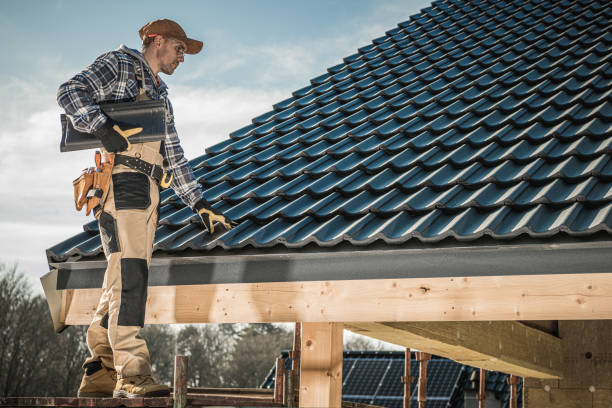
A new roof installation is a structured process that focuses on preparation, material selection, and careful on-site execution to ensure long-term durability and weather resistance. Homeowners typically experience a step-by-step workflow that includes inspection, removal of old materials, decking preparation, installation, and final cleanup. During this process, Evergreen General Construction #1 LLC ensures that each stage aligns with local building standards and weather demands in Puyallup, WA.Understanding what happens during installation helps homeowners feel confident and prepared for each phase. The experience also includes safety measures, scheduling coordination, and material delivery planning to minimize disruption while improving efficiency.Roof Installation in Puyallup, WA begins with a detailed assessment and continues through systematic installation steps designed for performance and longevity.
Key Takeaways
- Roof installation follows a structured step-by-step process
- Preparation and inspection determine project success
- Material selection impacts durability and performance
- Weather conditions in Puyallup influence scheduling decisions
- Professional oversight ensures code compliance and safety
Homeowners often discover that roofing projects are less disruptive than expected when handled by experienced contractors. The process is designed to maintain property safety while improving structural protection.Professionals bring experience in managing timelines, material logistics, and unexpected site conditions. This reduces delays and ensures a smooth transition from old roofing to new systems.
Initial Planning and Roof Inspection Phase
The first stage of installation involves a thorough roof inspection to identify existing issues such as leaks, structural weaknesses, or moisture damage. Contractors assess ventilation systems, flashing conditions, and decking integrity before recommending solutions. Measurements and material estimates are also finalized during this phase.Homeowners are usually guided through material choices, including shingles, underlayment, and insulation layers. Decisions made here impact energy efficiency, durability, and long-term maintenance requirements.
- Roof structure evaluation ensures safe installation planning
- Material selection influences durability and energy efficiency
- Measurements help determine accurate project timelines
- Ventilation checks prevent future moisture buildup
- Weather considerations shape scheduling decisions
Accurate planning reduces unexpected delays and ensures the project proceeds smoothly. This phase sets the foundation for the entire roofing process.
Tear-Off and Surface Preparation Stage
Once planning is complete, the old roofing material is carefully removed. Contractors inspect the exposed decking for rot, water damage, or structural concerns. Any compromised sections are replaced to ensure a stable base for the new installation.Debris removal is handled systematically to maintain site safety and organization. This phase also includes applying protective barriers to prevent weather exposure during installation.
- Old roofing removal exposes structural conditions
- Damaged decking is repaired or replaced
- Clean surfaces ensure proper material adhesion
- Safety protocols reduce hazards during the tear-off
- Waste disposal keeps the site organized
Proper preparation ensures that the new roofing system performs effectively and lasts longer. This stage is essential for structural reliability.
Installation of Roofing System Components
During installation, underlayment is placed first to create a moisture-resistant barrier. Shingles or selected roofing materials are then installed in overlapping layers to ensure water runoff efficiency. Flashing is added around chimneys, vents, and edges to prevent leaks.At this stage, residential roofing contractors in Puyallup, WA often focus on precision alignment and secure fastening techniques. This ensures resistance against wind uplift and seasonal rain conditions.
- Underlayment protects against moisture intrusion
- Layered installation improves water drainage
- Flashing seals vulnerable roof transition points
- Proper fastening enhances wind resistance
- Alignment ensures visual and structural consistency
Industry data suggests that properly installed roofing systems can extend lifespan by 20–30 years, depending on material type. Installation accuracy plays a major role in long-term performance.
Final Inspection and Cleanup Process
After installation, a final inspection is conducted to verify workmanship quality and compliance with building standards. Contractors check sealing accuracy, material alignment, and structural integrity. Any minor adjustments are completed before project closure.The site is then cleaned thoroughly, removing debris, nails, and leftover materials. Homeowners receive maintenance recommendations to extend roof life and performance.
- Final inspection ensures installation quality
- Minor corrections are completed if needed
- Site cleanup restores property condition
- Maintenance tips help extend roof lifespan
- Warranty details are reviewed with homeowners
This final step confirms that the roof is fully functional and ready for long-term protection.
Cost and Material Considerations in Roofing Projects
Roof installation costs vary based on materials, roof size, and structural complexity. Asphalt shingles remain the most commonly used option due to affordability, while metal and composite systems offer longer lifespan but higher upfront costs.Material selection also affects insulation performance and energy savings over time. Homeowners are encouraged to balance budget with durability needs.
- Material type impacts overall project cost
- Roof size determines labor requirements
- Energy efficiency affects long-term savings
- Design complexity influences installation time
- Warranty coverage varies by material choice
Choosing the right combination of materials ensures better long-term value and reduced maintenance needs.
Frequently Asked Questions
What is the average timeline for a roof installation?
Most residential roof installations take between one and three days, depending on roof size and weather conditions. Larger or more complex roofs may require additional time for proper completion.How should homeowners prepare before installation begins?
Homeowners should clear driveway space, secure fragile indoor items, and ensure pets are kept safely away from the work zone to reduce disruptions.Will roof installation cause major disruption to daily life?
There will be some noise and activity, but professional teams work efficiently to minimize inconvenience while maintaining safety standards.What materials are commonly used for new roofs?
Asphalt shingles, metal panels, and composite materials are commonly used depending on budget, durability needs, and architectural style preferences.How often should a new roof be inspected?
A new roof should be inspected at least once a year and after major storms to ensure early detection of potential issues.
Conclusion
A new roof installation is a carefully managed process that includes planning, removal, preparation, installation, and final inspection. Each phase contributes to long-term durability and weather protection. Understanding these steps helps homeowners make informed decisions and ensures better project outcomes.With proper materials, skilled execution, and routine maintenance, a new roof can provide reliable protection for decades while enhancing property value and energy efficiency.
CTA
Homeowners looking to upgrade or install a new roof can rely on expert support for durable and efficient solutions. Evergreen General Construction #1 LLC delivers reliable roofing services tailored to local weather conditions and structural needs in Puyallup, WA. Contact their team today to schedule an inspection or consultation and receive professional guidance on materials, timelines, and installation options designed to protect your home for years to come with quality workmanship and dependable service.