

Living in a small apartment or a compact house in Lahore doesn’t mean you have to give up on good design or storage. With the right planning, custom furniture can make even the smallest room feel open, organized, and comfortable. This guide walks you through simple, practical steps to plan custom furniture for limited space homes — without wasting money or regretting your choices later.
Why Custom Furniture Works Better for Small Homes
Ready-made furniture is built for average room sizes, not for your specific space. In small homes, even a few extra inches can make a big difference. Custom furniture is designed around your actual room measurements, so nothing feels too big, too small, or out of place. Some clear benefits of custom furniture for small spaces include:
- Furniture fits your exact wall, corner, and ceiling measurements
- You only pay for what you need — no wasted material or space
- Multi-purpose pieces can be built to do more than one job
- Storage can be added in unused corners, under beds, or above doors
If you’re working with a small bedroom, a single-room apartment, or a compact living area, planning ahead is the key to getting this right.
Step 1: Measure Your Space Accurately
Before thinking about designs or styles, start with accurate measurements. This is the most important step, and skipping it leads to most furniture mistakes. What to measure:
- Length, width, and height of the room
- Door and window positions, including how far they open
- Distance between switches, sockets, and pipes
- Any slopes, beams, or uneven walls
Write these numbers down or take photos with a measuring tape visible. If you’re unsure about exact measurements, a professional visit is much safer than guessing, especially for built-in pieces like wardrobes or wall units.
Step 2: List Your Daily Needs Before Choosing Designs
It’s easy to get distracted by beautiful furniture photos online. But before choosing any design, write down what you actually need the furniture to do. Ask yourself:
- How many clothes, books, or items need storage?
- Do you need a workspace, study table, or home office corner?
- Will more than one person use this room?
- Do you need seating for guests, or is this a private space?
This list becomes your guide. Every furniture piece you choose later should solve one of these needs — not just look nice in a catalogue.
Step 3: Choose Multi-Functional Furniture Pieces
In limited spaces, furniture that does only one job is a missed opportunity. Multi-functional furniture saves space and money at the same time. Some popular multi-purpose ideas for small homes in Lahore:
- A bed with drawers built into the base for extra storage
- A study table that folds against the wall when not in use
- A sofa that converts into a bed for guest rooms
- Wardrobes with a built-in dressing mirror and drawer units
- A dining table that extends only when needed
These choices reduce the number of separate furniture pieces in a room, which keeps the space feeling open instead of crowded.
Step 4: Use Vertical Space Wisely
When floor space is limited, the walls and ceiling become your best resource. Most small homes only use the lower half of their walls, leaving a lot of storage potential unused. Ways to use vertical space:
- Tall wardrobes that go up to the ceiling instead of stopping halfway
- Wall-mounted shelves above doors or windows
- Hanging cabinets in the kitchen instead of floor units
- Loft storage above wardrobes for items you don’t use often
This single change — building upward instead of just outward — can almost double your usable storage without taking any extra floor space.
Step 5: Pick Light Colors and Smart Materials
The right colors and materials can make a small space feel bigger than it actually is. This part of planning is often ignored, but it has a big visual impact. Tips for choosing colors and materials:
- Light wood tones or white/cream finishes make rooms feel airy
- Avoid heavy, dark furniture in already small rooms
- Glass or mirrored cabinet doors reflect light and add depth
- Matte finishes hide fingerprints and wear better in daily-use furniture
Material choice also matters for durability. In Lahore’s weather, materials that resist moisture and heat will last longer and need less repair over time.
Step 6: Work with a Reliable Custom Furniture Maker
Once you know your space, needs, and style preferences, the final step is choosing someone who can turn your plan into real furniture. A good carpenter or furniture company will:
- Visit your home and re-check all measurements
- Suggest practical changes based on experience with small spaces
- Show you design options or 3D mockups before starting work
- Use proper quality boards and hardware that won’t swell or weaken over time
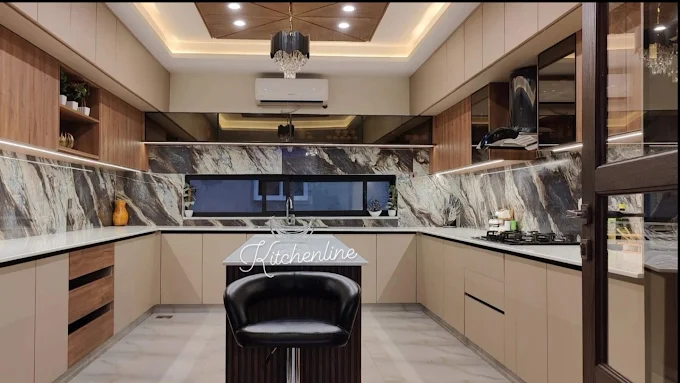
For example, a team like Kitchenline Kitchens & Wardrobes works directly with homeowners in Lahore to design furniture that matches both the room size and the family’s daily routine, rather than offering one-size-fits-all designs. Always ask for a clear cost estimate, expected timeline, and warranty details before work begins. This avoids confusion later and helps you compare options fairly.
Common Mistakes to Avoid When Planning Custom Furniture
Even with good intentions, homeowners often repeat the same mistakes when planning furniture for small spaces:
- Skipping measurements: Estimating sizes instead of measuring leads to furniture that doesn’t fit properly.
- Choosing style over function: A beautiful design that doesn’t solve storage problems wastes money.
- Ignoring door and window clearance: Wardrobe doors or drawers that can’t open fully are a common planning error.
- Overcrowding the room: Trying to fit too many furniture pieces into one room makes it feel smaller, not bigger.
- Not planning for future needs: A growing family or changing room use should be considered during planning, not after.
Avoiding these mistakes early saves both time and money during installation.
Frequently Asked Questions
1. Is custom furniture more expensive than ready-made furniture? Not always. While the starting cost can be similar or slightly higher, custom furniture is built to use space efficiently, which often means you need fewer separate pieces overall. This can balance out the cost in the long run. 2. How much time does custom furniture take to design and install? Smaller projects, like a single wardrobe or study unit, usually take one to two weeks. Larger projects with multiple rooms can take three to four weeks, depending on design changes and material approval. 3. Can custom furniture really make a small room feel bigger? Yes. Choosing the right size, color, and storage layout has a direct effect on how spacious a room feels, even without changing the actual room size. 4. What is the best furniture material for small spaces in Lahore? Materials that resist moisture and heat, such as good-quality MDF or plywood with proper finishing, tend to perform well in Lahore’s climate and are commonly recommended for long-term use. 5. Should I plan all rooms at once or one room at a time? If your budget allows, planning all rooms together helps keep a consistent style and avoids repeated measurement visits. However, planning one room at a time is also fine if you prefer to manage costs gradually.
Final Thoughts
Planning custom furniture for a small home doesn’t have to be complicated. Start with accurate measurements, list your real needs, choose multi-functional pieces, and make use of vertical space wherever possible. With a clear plan and the right team to execute it, even the smallest home in Lahore can feel organized, functional, and comfortable.