

The global retail landscape in 2026 is defined by omnichannel selling, heightened consumer expectations, and an increasing demand for memorable unboxing experiences. As e-commerce platforms and boutique physical storefronts compete for customer loyalty, packaging serves a purpose far beyond simple containment. Modern retail brands view physical packaging as an active marketing instrument, a protective shield during shipping transit, and a tangible expression of brand identity.
Among structural packaging options, heavy-density setup containers remain the benchmark for luxury presentation, product security, and tactile value. Built with dense recycled greyboard cores wrapped in premium printed papers, these structures offer high compressive strength and architectural precision.
Understanding how modern structural box styles fulfill retail requirements helps brands select packaging solutions that protect products, elevate visual appeal, and streamline retail supply chains.When brands introduce seasonal merchandise bundles, luxury apparel, or corporate presentation sets, utilizing two piece rigid boxes creates an immediate visual impact that elevates perceived product value and reinforces customer engagement.
The Architectural Mechanics of Modern Retail Packaging
Modern retail environments require packaging that stands up to complex handling. Products move through multi-stage distribution networks, international freight routes, e-commerce fulfillment centers, and crowded retail shelves. Standard paperboard folding cartons easily buckle under heavy stacking, making dense board engineering essential for high-value merchandise.High-density greyboard typically ranging from 1.5mm to 3.0mm in caliper provides the structural core required to absorb external impacts.
By combining precise V-grooving technology with high-grade adhesives, manufacturers construct containers with sharp 90-degree corners that hold structural integrity over time.For classic retail items requiring high stacking strength on store shelves, specifying rigid gift boxes delivers a traditional lift-off presentation that distributes vertical weight evenly across all four corners, keeping inventory pristine on display racks.
Enhancing the E-Commerce Unboxing Experience
With online shopping continuing to drive retail growth, the unboxing moment represents the primary physical interaction between an e-commerce brand and its customer. Modern consumers expect packaging to be visually engaging, easy to open, and reflective of product quality.Tactile coatings and structural reveals play a key role in creating positive customer impressions.
Incorporating soft-touch lamination, metallic foil stamping, embossed branding, and custom-cut internal foam trays transforms routine product delivery into an engaging event that encourages organic social media sharing.For product lines featuring modular accessories, skincare sets, or tech components, incorporating rigid drawer boxes allows customers to slide open the inner compartment smoothly, revealing neatly organized items inside while preserving outer brand graphics.
Surface Wrap Textures, Printing, and Tactile Branding
Visual branding in 2026 relies heavily on a combination of clean graphic typography and tactile material surfaces. Wrap papers mounted over greyboard cores range from smooth coated art paper to textured linen stock, faux leather, and recycled kraft wraps.Prepress precision is critical when applying complex artwork over thick structural board:
- Vector Trapping: Prepress technicians adjust artwork boundaries to prevent micro-gaps along die-cut fold lines and sharp corners.
- Color Management: Pantone (PMS) color matching ensures exact brand color consistency across separate production runs.
- Contrast Finishes: Combining matte surface wraps with spot UV highlights creates dynamic light contrast that attracts consumer attention on retail shelves.
To protect delicate inner compartments while providing a continuous, wrap-around outer canvas for minimalist branding and subtle spot-gloss artwork, using sleeve rigid boxes offers an extended surface for wide graphic panoramas and protective structural depth.
Hardware Integration and Functional Closure Security
Functional hardware components integrated directly into greyboard walls elevate both product security and sensory interaction. Modern automated machinery cuts micro-recesses into greyboard panels before paper wraps are applied, allowing hardware to sit flush within the board structure.This seamless hardware integration ensures smooth exterior surfaces while introducing functional closing mechanisms:
- Hidden Neodymium Magnets: Provide self-sealing closure tension and a satisfying tactile snap upon closing.
- Ribbon Pulls and Fabric Tabs: Assist consumers in lifting lids or sliding out inner drawers effortlessly.
- Metal Latches and Hinges: Add classic, heavy-duty closure hardware for heirloom-quality retail keepsakes.
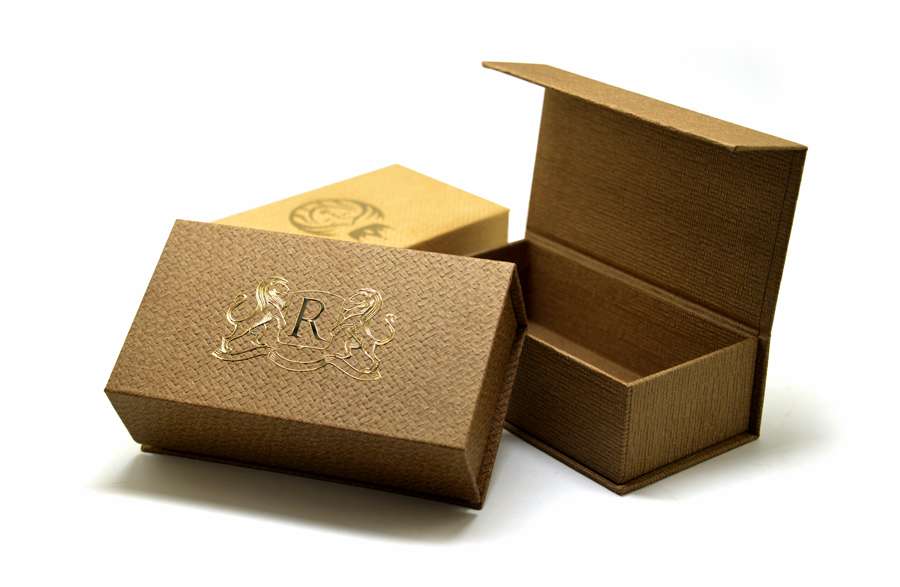
When high-security closures and a firm closure snap are required, incorporating magnetic closure rigid boxes introduces hidden magnets embedded flush within board panels, delivering a reliable, self-sealing closure that locks contents securely during transit.
Managing Freight Logistics and Storage Efficiency
While traditional setup packaging offers unmatched structural durability, transporting fully assembled 3D containers empty across international supply chains presents spatial challenges. Large volumetric footprints increase ocean freight charges and require extensive warehouse storage space.To overcome these logistical hurdles, modern packaging engineering offers flat-pack setup formats that assemble quickly at destination fulfillment centers.
For global supply chains managing high shipping volumes across regional distribution hubs, adopting collapsible rigid boxes enables flat-packed transport, cutting freight volume by up to 80% while setting up into sturdy, heavy-duty containers at final product packing.
Comparing Key Structural Styles for Modern Retail
To evaluate how different structural formats meet specific retail needs, consider the following performance comparison:
- Two-Piece Lift-Off: Traditional presentation; maximum vertical stack strength; ideal for flagship retail items.
- Sliding Drawer Format: Interactive pull-out reveal; excelente for multi-item accessory kits and skincare sets.
- Sleeve / Tray Combination: Outer protective shield; continuous 360-degree branding surface; high scuff resistance.
- Magnetic Closure Style: Premium hinged presentation; secure self-sealing closure; satisfying tactile feedback.
- Collapsible Flat-Pack: Maximum freight efficiency; flat storage; rapid assembly at fulfillment centers.
Conclusion
Rigid packaging fits the evolving needs of modern retail brands by combining heavy-duty structural protection, refined unboxing aesthetics, and strategic supply chain efficiency. By selecting the right greyboard caliper, structural box style, tactile surface finishes, and hardware integration, brands safeguard product integrity while creating a memorable physical connection with consumers. Investing in well-engineered setup packaging protects valuable inventory, enhances brand prestige, and drives long-term customer loyalty across both physical and digital retail channels.
Frequently Asked Questions
Why do luxury retail brands prefer rigid packaging over standard paperboard folding cartons?
Rigid packaging uses dense greyboard cores (1.5mm to 3.0mm thick) that offer superior structural strength, vertical crush resistance, and a substantial tactile weight that reflects high product value.
What causes paper warping on rigid boxes, and how do manufacturers prevent it?
Warping occurs when wet adhesive causes uneven moisture absorption in the greyboard core. Manufacturers prevent it by controlling glue moisture levels, maintaining drying room humidity, and aligning paper fiber grain direction properly.
Are collapsible rigid boxes as strong as fixed, traditional setup boxes?
Yes, modern collapsible box designs utilize high-density board panels and robust locking mechanisms (such as self-adhesive corner strips or hidden magnetic tabs) to deliver structural firmness comparable to fixed setup boxes once assembled.
How do custom foam inserts protect fragile retail goods inside rigid boxes?
Custom EVA or anti-static EPE foam inserts are laser-cut to match precise product contours, cradling delicate items securely, absorbing shock impacts during transit, and preventing surface scuffing.