

Plumbing systems are one of the most important parts of any home. They provide clean water for drinking, cooking, bathing, cleaning, and many other daily activities. Because plumbing is used every day, wear and tear naturally occur over time. Small issues such as minor leaks, slow drains, or aging components can quickly become expensive problems if they are not addressed early.Regular plumbing maintenance helps homeowners identify potential issues before they become major repairs. It can improve system efficiency, extend the life of plumbing components, reduce water waste, and help avoid unexpected plumbing emergencies.In this guide, we will explain how plumbing maintenance helps prevent costly repairs and why it should be an important part of every homeowner’s routine.
What Is Plumbing Maintenance?
Plumbing maintenance is the process of inspecting, cleaning, testing, and servicing plumbing systems to ensure they continue operating properly.Maintenance may include:
- Checking for leaks
- Inspecting pipes and fittings
- Repair water heaters
- Testing water pressure
- Cleaning drains
- Inspecting shut-off valves
- Looking for signs of corrosion
- Checking plumbing fixtures
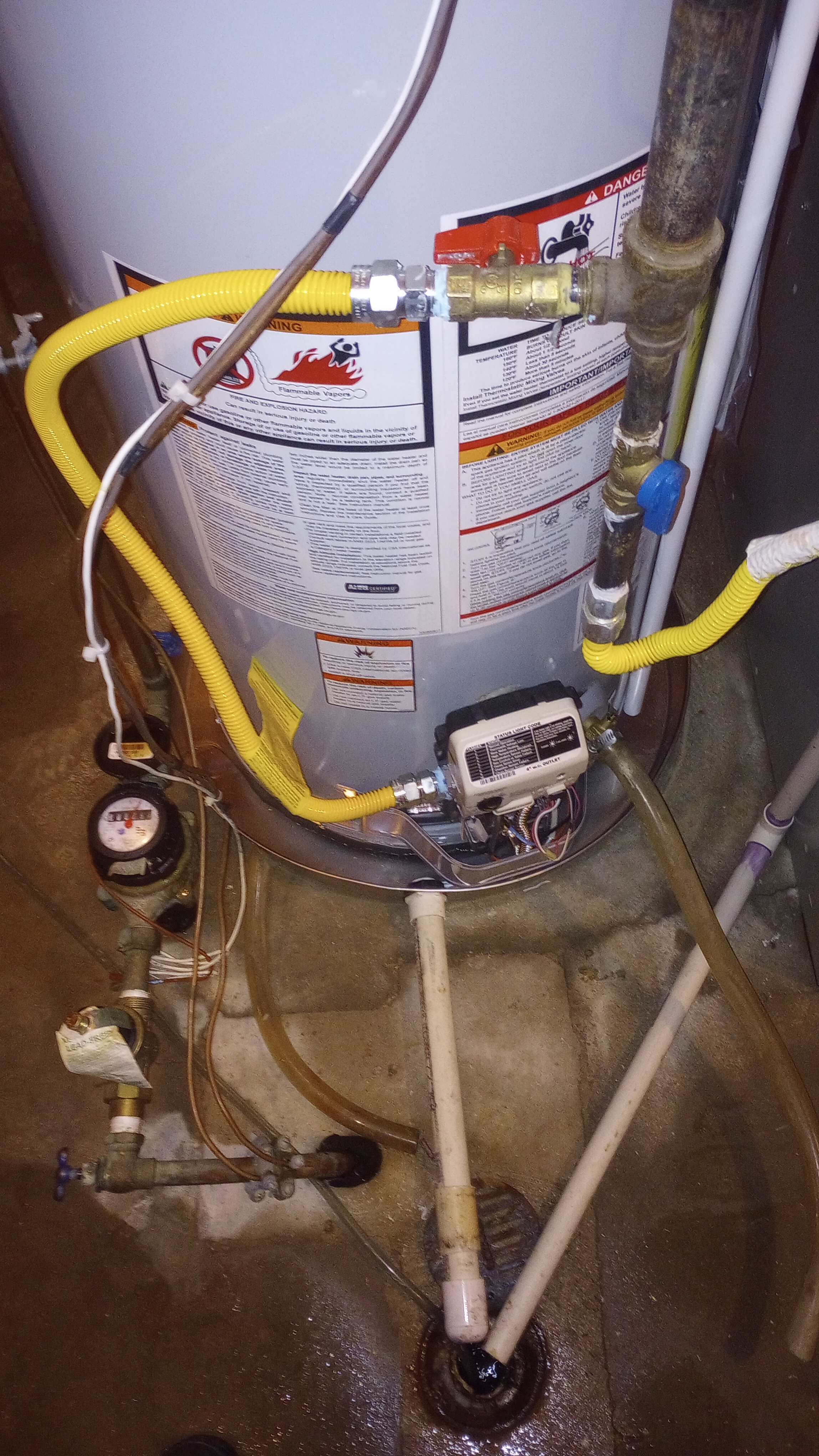
The goal is to find and fix small issues before they become larger and more expensive problems.
Why Plumbing Maintenance Is Important
Many plumbing problems begin as minor issues that are easy to overlook. A small leak under a sink, a slowly draining bathtub, or slightly reduced water pressure may not seem serious at first.However, over time these problems can worsen and lead to:
- Water damage
- Mold growth
- Structural damage
- High water bills
- Pipe failures
- Emergency plumbing repairs
Regular maintenance allows homeowners to identify these warning signs early and take corrective action before major damage occurs.
Early Leak Detection Saves Money
One of the biggest benefits of plumbing maintenance is finding leaks before they cause significant damage.
Small Leaks Can Become Expensive Problems
A tiny leak may drip only a small amount of water each day, but over weeks and months it can lead to:
- Damaged drywall
- Warped flooring
- Mold growth
- Damaged cabinets
- Increased utility bills
Routine inspections help identify leaks in:
- Pipes
- Faucets
- Toilets
- Water heaters
- Valves
- Appliance connections
Addressing a leak early is usually far less expensive than repairing water damage later.
Preventing Pipe Damage
Pipes are constantly exposed to water pressure, temperature changes, and natural aging.Without maintenance, pipes can develop:
- Corrosion
- Cracks
- Weak joints
- Mineral buildup
Regular inspections can reveal early signs of deterioration before a pipe bursts or fails.
Benefits of Pipe Inspections
Pipe inspections help homeowners:
- Identify corrosion
- Detect hidden leaks
- Monitor pipe condition
- Extend pipe lifespan
- Reduce emergency repair risks
Preventive maintenance can significantly reduce the likelihood of major pipe failures.
Maintaining Proper Water Pressure
Water pressure that is too high or too low can create problems throughout a plumbing system.
High Water Pressure Risks
Excessively high water pressure can:
- Stress pipes
- Damage fixtures
- Wear out valves
- Shorten appliance lifespan
Low Water Pressure Concerns
Low water pressure may indicate:
- Pipe blockages
- Hidden leaks
- Mineral buildup
- Failing plumbing components
Routine maintenance helps identify pressure-related issues before they cause costly repairs.
Preventing Drain Clogs
Drain clogs are among the most common plumbing problems.Over time, materials such as:
- Hair
- Soap residue
- Food particles
- Grease
- Mineral deposits
can build up inside pipes and restrict water flow.
Why Drain Maintenance Matters
Regular drain maintenance can help:
- Improve drainage speed
- Prevent backups
- Reduce odors
- Protect pipes
- Avoid emergency service calls
Keeping drains clean is one of the easiest ways to maintain a healthy plumbing system.
Protecting Your Water Heater
Water heaters work hard every day to provide hot water for household needs. Like any appliance, they require maintenance to operate efficiently.
Common Water Heater Issues
Without maintenance, water heaters may develop:
- Sediment buildup
- Reduced efficiency
- Leaks
- Heating element problems
- Corrosion
These issues can increase energy costs and shorten equipment lifespan.
Benefits of Water Heater Maintenance
Regular maintenance helps:
- Improve efficiency
- Reduce utility bills
- Extend system lifespan
- Maintain reliable hot water
- Prevent unexpected breakdowns
Many homeowners rely on Excellent Plumbing & Water Heater Repair Colorado Springs for professional plumbing and water heater services when maintenance or repairs are needed.
Reducing Water Waste
Even small plumbing issues can waste a surprising amount of water.Examples include:
- Dripping faucets
- Running toilets
- Hidden leaks
- Faulty valves
Water waste not only increases utility bills but also places unnecessary strain on plumbing systems.Regular maintenance helps identify and correct these issues, promoting better water conservation and lower monthly expenses.
Preventing Mold and Mildew Growth
Water leaks create ideal conditions for mold and mildew.Mold growth can occur behind:
- Walls
- Floors
- Cabinets
- Ceilings
Many homeowners do not discover mold until significant damage has already occurred.Routine plumbing inspections help detect moisture problems early and reduce the risk of costly mold remediation.
Extending the Life of Plumbing Fixtures
Fixtures such as faucets, sinks, toilets, and showerheads experience daily use.Without maintenance, they may develop:
- Leaks
- Corrosion
- Mineral buildup
- Reduced performance
Regular inspections and minor repairs can extend the lifespan of these fixtures and delay replacement costs.
Avoiding Emergency Plumbing Repairs
Emergency plumbing situations often happen when small issues are ignored for too long.Examples include:
- Burst pipes
- Major leaks
- Sewer backups
- Water heater failures
Emergency repairs are typically more expensive because they require immediate attention and may involve significant property damage.Preventive maintenance helps reduce the risk of unexpected plumbing emergencies.
Improving Plumbing System Efficiency
A well-maintained plumbing system performs more efficiently.Benefits include:
- Better water flow
- Improved fixture performance
- Consistent water pressure
- Reduced energy consumption
- Lower operating costs
Efficiency improvements may seem small individually, but they can provide meaningful savings over time.
Creating a Plumbing Maintenance Schedule
Homeowners can benefit from following a simple maintenance schedule.
Monthly Tasks
- Check faucets for leaks
- Inspect toilets
- Look for water stains
- Monitor water pressure
Seasonal Tasks
- Inspect exposed pipes
- Test shut-off valves
- Check outdoor plumbing
- Examine water heater condition
Annual Tasks
- Schedule a professional plumbing inspection
- Flush water heater tanks
- Inspect drain systems
- Evaluate pipe condition
A consistent maintenance routine can prevent many common plumbing problems.
Signs That Maintenance Is Needed
Homeowners should watch for warning signs that indicate plumbing maintenance may be necessary.Common signs include:
- Slow drains
- Unusual noises
- Water stains
- Rising water bills
- Reduced water pressure
- Running toilets
- Rust-colored water
- Damp areas around pipes
Addressing these issues early often prevents larger and more expensive repairs.
Long-Term Benefits of Plumbing Maintenance
The long-term advantages of regular plumbing maintenance include:
- Lower repair costs
- Improved system reliability
- Better water efficiency
- Extended equipment lifespan
- Fewer emergencies
- Reduced water damage risks
- Increased home value
Maintenance is an investment that helps protect both the plumbing system and the property itself.
Conclusion
Plumbing maintenance plays a critical role in preventing costly repairs and protecting a home’s plumbing system. Small problems such as leaks, clogs, corrosion, and water pressure issues can quickly become major expenses if left untreated.Regular inspections, routine maintenance, and prompt attention to warning signs help homeowners avoid emergencies, reduce water waste, improve efficiency, and extend the lifespan of plumbing equipment. By taking a proactive approach to plumbing care, homeowners can save money, improve reliability, and enjoy greater peace of mind throughout the year.
Frequently Asked Questions
How often should plumbing systems be inspected?
Most homes benefit from a professional plumbing inspection at least once per year. Older homes may require more frequent inspections.
Can plumbing maintenance reduce repair costs?
Yes. Routine maintenance helps identify small issues before they become expensive repairs or emergency situations.
What is the most common plumbing problem?
Leaking faucets, clogged drains, running toilets, and pipe leaks are among the most common plumbing issues homeowners experience.
Why is water pressure important?
Proper water pressure helps plumbing fixtures function efficiently and reduces stress on pipes and appliances.
How can I tell if I have a hidden leak?
Signs may include higher water bills, damp walls, mold growth, musty odors, or unexplained water stains.
Does plumbing maintenance help water heaters last longer?
Yes. Regular maintenance helps improve efficiency, reduce wear, and extend the lifespan of water heaters.
Can clogged drains damage pipes?
Severe clogs can increase pressure within pipes and potentially lead to leaks, cracks, or backups.
Is preventive plumbing maintenance worth it?
Yes. Preventive maintenance often costs far less than repairing major plumbing failures or water damage.
Plumbing systems are one of the most important parts of any home. They provide clean water for drinking, cooking, bathing, cleaning, and many other daily activities. Because plumbing is used every day, wear and tear naturally occur over time. Small issues such as minor leaks, slow drains, or aging components can quickly become expensive problems if they are not addressed early.Regular plumbing maintenance helps homeowners identify potential issues before they become major repairs. It can improve system efficiency, extend the life of plumbing components, reduce water waste, and help avoid unexpected plumbing emergencies.In this guide, we will explain how plumbing maintenance helps prevent costly repairs and why it should be an important part of every homeowner’s routine.
What Is Plumbing Maintenance?
Plumbing maintenance is the process of inspecting, cleaning, testing, and servicing plumbing systems to ensure they continue operating properly.Maintenance may include:
- Checking for leaks
- Inspecting pipes and fittings
- Examining water heaters
- Testing water pressure
- Cleaning drains
- Inspecting shut-off valves
- Looking for signs of corrosion
- Checking plumbing fixtures
The goal is to find and fix small issues before they become larger and more expensive problems.
Why Plumbing Maintenance Is Important
Many plumbing problems begin as minor issues that are easy to overlook. A small leak under a sink, a slowly draining bathtub, or slightly reduced water pressure may not seem serious at first.However, over time these problems can worsen and lead to:
- Water damage
- Mold growth
- Structural damage
- High water bills
- Pipe failures
- Emergency plumbing repairs
Regular maintenance allows homeowners to identify these warning signs early and take corrective action before major damage occurs.
Early Leak Detection Saves Money
One of the biggest benefits of plumbing maintenance is finding leaks before they cause significant damage.
Small Leaks Can Become Expensive Problems
A tiny leak may drip only a small amount of water each day, but over weeks and months it can lead to:
- Damaged drywall
- Warped flooring
- Mold growth
- Damaged cabinets
- Increased utility bills
Routine inspections help identify leaks in:
- Pipes
- Faucets
- Toilets
- Water heaters
- Valves
- Appliance connections
Addressing a leak early is usually far less expensive than repairing water damage later.
Preventing Pipe Damage
Pipes are constantly exposed to water pressure, temperature changes, and natural aging.Without maintenance, pipes can develop:
- Corrosion
- Cracks
- Weak joints
- Mineral buildup
Regular inspections can reveal early signs of deterioration before a pipe bursts or fails.
Benefits of Pipe Inspections
Pipe inspections help homeowners:
- Identify corrosion
- Detect hidden leaks
- Monitor pipe condition
- Extend pipe lifespan
- Reduce emergency repair risks
Preventive maintenance can significantly reduce the likelihood of major pipe failures.
Maintaining Proper Water Pressure
Water pressure that is too high or too low can create problems throughout a plumbing system.
High Water Pressure Risks
Excessively high water pressure can:
- Stress pipes
- Damage fixtures
- Wear out valves
- Shorten appliance lifespan
Low Water Pressure Concerns
Low water pressure may indicate:
- Pipe blockages
- Hidden leaks
- Mineral buildup
- Failing plumbing components
Routine maintenance helps identify pressure-related issues before they cause costly repairs.
Preventing Drain Clogs
Drain clogs are among the most common plumbing problems.Over time, materials such as:
- Hair
- Soap residue
- Food particles
- Grease
- Mineral deposits
can build up inside pipes and restrict water flow.
Why Drain Maintenance Matters
Regular drain maintenance can help:
- Improve drainage speed
- Prevent backups
- Reduce odors
- Protect pipes
- Avoid emergency service calls
Keeping drains clean is one of the easiest ways to maintain a healthy plumbing system.
Protecting Your Water Heater
Water heaters work hard every day to provide hot water for household needs. Like any appliance, they require maintenance to operate efficiently.
Common Water Heater Issues
Without maintenance, water heaters may develop:
- Sediment buildup
- Reduced efficiency
- Leaks
- Heating element problems
- Corrosion
These issues can increase energy costs and shorten equipment lifespan.
Benefits of Water Heater Maintenance
Regular maintenance helps:
- Improve efficiency
- Reduce utility bills
- Extend system lifespan
- Maintain reliable hot water
- Prevent unexpected breakdowns
Many homeowners rely on Excellent Plumbing & Water Heater Repair Colorado Springs for professional plumbing and water heater services when maintenance or repairs are needed.
Reducing Water Waste
Even small plumbing issues can waste a surprising amount of water.Examples include:
- Dripping faucets
- Running toilets
- Hidden leaks
- Faulty valves
Water waste not only increases utility bills but also places unnecessary strain on plumbing systems.Regular maintenance helps identify and correct these issues, promoting better water conservation and lower monthly expenses.
Preventing Mold and Mildew Growth
Water leaks create ideal conditions for mold and mildew.Mold growth can occur behind:
- Walls
- Floors
- Cabinets
- Ceilings
Many homeowners do not discover mold until significant damage has already occurred.Routine plumbing inspections help detect moisture problems early and reduce the risk of costly mold remediation.
Extending the Life of Plumbing Fixtures
Fixtures such as faucets, sinks, toilets, and showerheads experience daily use.Without maintenance, they may develop:
- Leaks
- Corrosion
- Mineral buildup
- Reduced performance
Regular inspections and minor repairs can extend the lifespan of these fixtures and delay replacement costs.
Avoiding Emergency Plumbing Repairs
Emergency plumbing situations often happen when small issues are ignored for too long.Examples include:
- Burst pipes
- Major leaks
- Sewer backups
- Water heater failures
Emergency repairs are typically more expensive because they require immediate attention and may involve significant property damage.Preventive maintenance helps reduce the risk of unexpected plumbing emergencies.
Improving Plumbing System Efficiency
A well-maintained plumbing system performs more efficiently.Benefits include:
- Better water flow
- Improved fixture performance
- Consistent water pressure
- Reduced energy consumption
- Lower operating costs
Efficiency improvements may seem small individually, but they can provide meaningful savings over time.
Creating a Plumbing Maintenance Schedule
Homeowners can benefit from following a simple maintenance schedule.
Monthly Tasks
- Check faucets for leaks
- Inspect toilets
- Look for water stains
- Monitor water pressure
Seasonal Tasks
- Inspect exposed pipes
- Test shut-off valves
- Check outdoor plumbing
- Examine water heater condition
Annual Tasks
- Schedule a professional plumbing inspection
- Flush water heater tanks
- Inspect drain systems
- Evaluate pipe condition
A consistent maintenance routine can prevent many common plumbing problems.
Signs That Maintenance Is Needed
Homeowners should watch for warning signs that indicate plumbing maintenance may be necessary.Common signs include:
- Slow drains
- Unusual noises
- Water stains
- Rising water bills
- Reduced water pressure
- Running toilets
- Rust-colored water
- Damp areas around pipes
Addressing these issues early often prevents larger and more expensive repairs.
Long-Term Benefits of Plumbing Maintenance
The long-term advantages of regular plumbing maintenance include:
- Lower repair costs
- Improved system reliability
- Better water efficiency
- Extended equipment lifespan
- Fewer emergencies
- Reduced water damage risks
- Increased home value
Maintenance is an investment that helps protect both the plumbing system and the property itself.
Conclusion
Plumbing maintenance plays a critical role in preventing costly repairs and protecting a home’s plumbing system. Small problems such as leaks, clogs, corrosion, and water pressure issues can quickly become major expenses if left untreated.Regular inspections, routine maintenance, and prompt attention to warning signs help homeowners avoid emergencies, reduce water waste, improve efficiency, and extend the lifespan of plumbing equipment. By taking a proactive approach to plumbing care, homeowners can save money, improve reliability, and enjoy greater peace of mind throughout the year.
Frequently Asked Questions
How often should plumbing systems be inspected?
Most homes benefit from a professional plumbing inspection at least once per year. Older homes may require more frequent inspections.
Can plumbing maintenance reduce repair costs?
Yes. Routine maintenance helps identify small issues before they become expensive repairs or emergency situations.
What is the most common plumbing problem?
Leaking faucets, clogged drains, running toilets, and pipe leaks are among the most common plumbing issues homeowners experience.
Why is water pressure important?
Proper water pressure helps plumbing fixtures function efficiently and reduces stress on pipes and appliances.
How can I tell if I have a hidden leak?
Signs may include higher water bills, damp walls, mold growth, musty odors, or unexplained water stains.
Does plumbing maintenance help water heaters last longer?
Yes. Regular maintenance helps improve efficiency, reduce wear, and extend the lifespan of water heaters.
Can clogged drains damage pipes?
Severe clogs can increase pressure within pipes and potentially lead to leaks, cracks, or backups.
Is preventive plumbing maintenance worth it?
Yes. Preventive maintenance often costs far less than repairing major plumbing failures or water damage.
Plumbing systems are one of the most important parts of any home. They provide clean water for drinking, cooking, bathing, cleaning, and many other daily activities. Because plumbing is used every day, wear and tear naturally occur over time. Small issues such as minor leaks, slow drains, or aging components can quickly become expensive problems if they are not addressed early.Regular plumbing maintenance helps homeowners identify potential issues before they become major repairs. It can improve system efficiency, extend the life of plumbing components, reduce water waste, and help avoid unexpected plumbing emergencies.In this guide, we will explain how plumbing maintenance helps prevent costly repairs and why it should be an important part of every homeowner’s routine.
What Is Plumbing Maintenance?
Plumbing maintenance is the process of inspecting, cleaning, testing, and servicing plumbing systems to ensure they continue operating properly.Maintenance may include:
- Checking for leaks
- Inspecting pipes and fittings
- Examining water heaters
- Testing water pressure
- Cleaning drains
- Inspecting shut-off valves
- Looking for signs of corrosion
- Checking plumbing fixtures
The goal is to find and fix small issues before they become larger and more expensive problems.
Why Plumbing Maintenance Is Important
Many plumbing problems begin as minor issues that are easy to overlook. A small leak under a sink, a slowly draining bathtub, or slightly reduced water pressure may not seem serious at first.However, over time these problems can worsen and lead to:
- Water damage
- Mold growth
- Structural damage
- High water bills
- Pipe failures
- Emergency plumbing repairs
Regular maintenance allows homeowners to identify these warning signs early and take corrective action before major damage occurs.
Early Leak Detection Saves Money
One of the biggest benefits of plumbing maintenance is finding leaks before they cause significant damage.
Small Leaks Can Become Expensive Problems
A tiny leak may drip only a small amount of water each day, but over weeks and months it can lead to:
- Damaged drywall
- Warped flooring
- Mold growth
- Damaged cabinets
- Increased utility bills
Routine inspections help identify leaks in:
- Pipes
- Faucets
- Toilets
- Water heaters
- Valves
- Appliance connections
Addressing a leak early is usually far less expensive than repairing water damage later.
Preventing Pipe Damage
Pipes are constantly exposed to water pressure, temperature changes, and natural aging.Without maintenance, pipes can develop:
- Corrosion
- Cracks
- Weak joints
- Mineral buildup
Regular inspections can reveal early signs of deterioration before a pipe bursts or fails.
Benefits of Pipe Inspections
Pipe inspections help homeowners:
- Identify corrosion
- Detect hidden leaks
- Monitor pipe condition
- Extend pipe lifespan
- Reduce emergency repair risks
Preventive maintenance can significantly reduce the likelihood of major pipe failures.
Maintaining Proper Water Pressure
Water pressure that is too high or too low can create problems throughout a plumbing system.
High Water Pressure Risks
Excessively high water pressure can:
- Stress pipes
- Damage fixtures
- Wear out valves
- Shorten appliance lifespan
Low Water Pressure Concerns
Low water pressure may indicate:
- Pipe blockages
- Hidden leaks
- Mineral buildup
- Failing plumbing components
Routine maintenance helps identify pressure-related issues before they cause costly repairs.
Preventing Drain Clogs
Drain clogs are among the most common plumbing problems.Over time, materials such as:
- Hair
- Soap residue
- Food particles
- Grease
- Mineral deposits
can build up inside pipes and restrict water flow.
Why Drain Maintenance Matters
Regular drain maintenance can help:
- Improve drainage speed
- Prevent backups
- Reduce odors
- Protect pipes
- Avoid emergency service calls
Keeping drains clean is one of the easiest ways to maintain a healthy plumbing system.
Protecting Your Water Heater
Water heaters work hard every day to provide hot water for household needs. Like any appliance, they require maintenance to operate efficiently.
Common Water Heater Issues
Without maintenance, water heaters may develop:
- Sediment buildup
- Reduced efficiency
- Leaks
- Heating element problems
- Corrosion
These issues can increase energy costs and shorten equipment lifespan.
Benefits of Water Heater Maintenance
Regular maintenance helps:
- Improve efficiency
- Reduce utility bills
- Extend system lifespan
- Maintain reliable hot water
- Prevent unexpected breakdowns
Many homeowners rely on Excellent Plumbing & Water Heater Repair Colorado Springs for professional plumbing and water heater services when maintenance or repairs are needed.
Reducing Water Waste
Even small plumbing issues can waste a surprising amount of water.Examples include:
- Dripping faucets
- Running toilets
- Hidden leaks
- Faulty valves
Water waste not only increases utility bills but also places unnecessary strain on plumbing systems.Regular maintenance helps identify and correct these issues, promoting better water conservation and lower monthly expenses.
Preventing Mold and Mildew Growth
Water leaks create ideal conditions for mold and mildew.Mold growth can occur behind:
- Walls
- Floors
- Cabinets
- Ceilings
Many homeowners do not discover mold until significant damage has already occurred.Routine plumbing inspections help detect moisture problems early and reduce the risk of costly mold remediation.
Extending the Life of Plumbing Fixtures
Fixtures such as faucets, sinks, toilets, and showerheads experience daily use.Without maintenance, they may develop:
- Leaks
- Corrosion
- Mineral buildup
- Reduced performance
Regular inspections and minor repairs can extend the lifespan of these fixtures and delay replacement costs.
Avoiding Emergency Plumbing Repairs
Emergency plumbing situations often happen when small issues are ignored for too long.Examples include:
- Burst pipes
- Major leaks
- Sewer backups
- Water heater failures
Emergency repairs are typically more expensive because they require immediate attention and may involve significant property damage.Preventive maintenance helps reduce the risk of unexpected plumbing emergencies.
Improving Plumbing System Efficiency
A well-maintained plumbing system performs more efficiently.Benefits include:
- Better water flow
- Improved fixture performance
- Consistent water pressure
- Reduced energy consumption
- Lower operating costs
Efficiency improvements may seem small individually, but they can provide meaningful savings over time.
Creating a Plumbing Maintenance Schedule
Homeowners can benefit from following a simple maintenance schedule.
Monthly Tasks
- Check faucets for leaks
- Inspect toilets
- Look for water stains
- Monitor water pressure
Seasonal Tasks
- Inspect exposed pipes
- Test shut-off valves
- Check outdoor plumbing
- Examine water heater condition
Annual Tasks
- Schedule a professional plumbing inspection
- Flush water heater tanks
- Inspect drain systems
- Evaluate pipe condition
A consistent maintenance routine can prevent many common plumbing problems.
Signs That Maintenance Is Needed
Homeowners should watch for warning signs that indicate plumbing maintenance may be necessary.Common signs include:
- Slow drains
- Unusual noises
- Water stains
- Rising water bills
- Reduced water pressure
- Running toilets
- Rust-colored water
- Damp areas around pipes
Addressing these issues early often prevents larger and more expensive repairs.
Long-Term Benefits of Plumbing Maintenance
The long-term advantages of regular plumbing maintenance include:
- Lower repair costs
- Improved system reliability
- Better water efficiency
- Extended equipment lifespan
- Fewer emergencies
- Reduced water damage risks
- Increased home value
Maintenance is an investment that helps protect both the plumbing system and the property itself.
Conclusion
Plumbing maintenance plays a critical role in preventing costly repairs and protecting a home’s plumbing system. Small problems such as leaks, clogs, corrosion, and water pressure issues can quickly become major expenses if left untreated.Regular inspections, routine maintenance, and prompt attention to warning signs help homeowners avoid emergencies, reduce water waste, improve efficiency, and extend the lifespan of plumbing equipment. By taking a proactive approach to plumbing care, homeowners can save money, improve reliability, and enjoy greater peace of mind throughout the year.
Frequently Asked Questions
How often should plumbing systems be inspected?
Most homes benefit from a professional plumbing inspection at least once per year. Older homes may require more frequent inspections.
Can plumbing maintenance reduce repair costs?
Yes. Routine maintenance helps identify small issues before they become expensive repairs or emergency situations.
What is the most common plumbing problem?
Leaking faucets, clogged drains, running toilets, and pipe leaks are among the most common plumbing issues homeowners experience.
Why is water pressure important?
Proper water pressure helps plumbing fixtures function efficiently and reduces stress on pipes and appliances.
How can I tell if I have a hidden leak?
Signs may include higher water bills, damp walls, mold growth, musty odors, or unexplained water stains.
Does plumbing maintenance help water heaters last longer?
Yes. Regular maintenance helps improve efficiency, reduce wear, and extend the lifespan of water heaters.
Can clogged drains damage pipes?
Severe clogs can increase pressure within pipes and potentially lead to leaks, cracks, or backups.
Is preventive plumbing maintenance worth it?
Yes. Preventive maintenance often costs far less than repairing major plumbing failures or water damage.