

Custom motorcycle gear has become a defining factor in modern rider performance, comfort, and safety within the Motorcycle Apparel & Protective Gear Industry, particularly in mature markets such as Baltimore, USA, where riding culture is strongly influenced by long-distance touring, club riding, and urban commuting. Unlike off-the-shelf equipment, custom solutions such as a leather motorcycle vest and leather motorcycle chaps are engineered to align with a rider’s body measurements, riding posture, environmental conditions, and aesthetic preferences.The importance of customization extends beyond style. It directly affects safety compliance, impact protection, fatigue reduction, and long-term durability. This article examines how custom motorcycle gear enhances the overall rider experience, supported by established industry practices, safety frameworks, and real-world applications.
The Role of Custom Motorcycle Gear in Modern Riding
Custom motorcycle gear refers to apparel specifically tailored or configured to meet individual rider specifications. This includes adjusted sizing, reinforced armor placement, ventilation mapping, and material selection.
Fit Optimization and Biomechanics
Proper fit is critical because motorcycle riding is a dynamic activity involving sustained posture and vibration exposure. Poorly fitted gear can lead to:
- Reduced mobility during maneuvering
- Pressure points causing fatigue on long rides
- Misalignment of protective armor during impact
Custom gear addresses these issues by aligning garment construction with rider biomechanics, ensuring that protective zones remain in place under real riding conditions.
Material Engineering and Performance
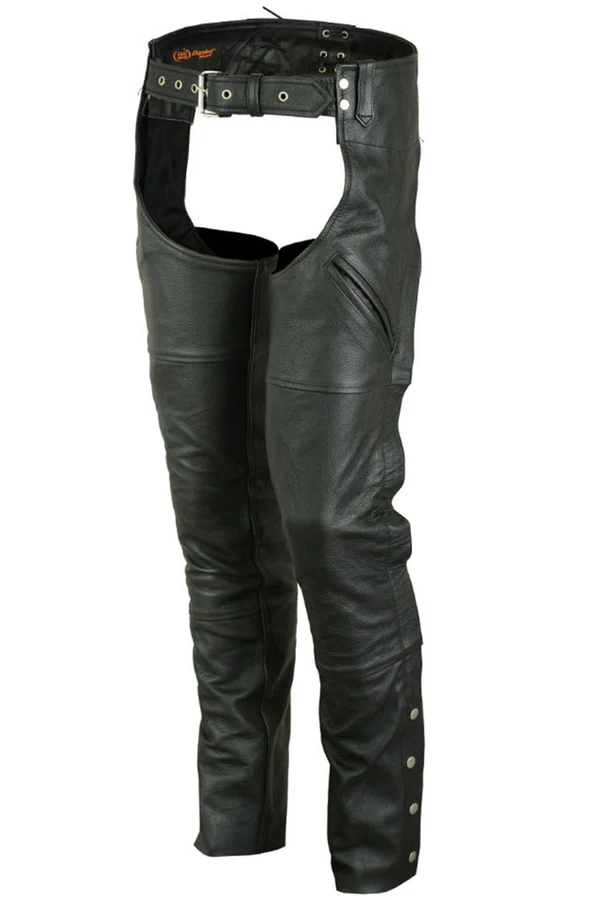
Custom gear often uses premium-grade leather, textile composites, or hybrid materials designed for abrasion resistance and flexibility. In high-quality builds, leather thickness is strategically adjusted between 1.2mm–1.4mm to balance protection and comfort.A leather motorcycle vest typically serves as a core upper-body layer, offering wind resistance and accessory mounting options, while leather motorcycle chaps protect lower-body areas exposed to road abrasion during sliding impacts.
How Custom Motorcycle Gear Enhances Rider Experience
Improved Safety Through Precision Fit
Safety organizations such as the National Highway Traffic Safety Administration (NHTSA) emphasize that properly fitted protective gear significantly reduces injury severity in crashes. Custom motorcycle gear enhances this principle by ensuring armor alignment with shoulders, elbows, hips, and knees.When protective components remain stationary during impact, energy dispersion is more effective, reducing localized trauma.
Enhanced Comfort on Long Rides
Custom gear reduces fatigue through ergonomic design. Key improvements include:
- Pre-curved sleeves and leg panels for riding posture
- Strategic ventilation zones for heat management
- Reduced seam friction during extended use
This is particularly relevant for touring riders in varying climates where temperature shifts and prolonged seat time demand adaptive comfort solutions.
Increased Rider Confidence and Control
A well-fitted riding system improves psychological confidence. Riders are less distracted by discomfort or shifting garments, resulting in better throttle control, braking precision, and lane awareness.
Real-World Applications of Custom Motorcycle Gear
In real-world riding environments such as highway commuting and group touring, custom gear demonstrates measurable advantages.For example:
- Touring riders report reduced fatigue over 300+ mile rides due to optimized load distribution.
- Urban riders benefit from modular designs that allow quick transitions between riding and off-bike use.
- Club riders often prefer coordinated custom sets for identity, uniformity, and functional consistency.
A practical example includes riders selecting a tailored leather motorcycle vest integrated with concealed pockets for communication devices and protective armor inserts, improving both utility and safety.
Expert Insights and Best Practices
Industry professionals in Baltimore’s motorcycle apparel sector emphasize several best practices for maximizing gear effectiveness:
- Prioritize armor certification (CE Level 1 or Level 2 standards where applicable)
- Ensure leather is treated for abrasion and weather resistance
- Match gear cut to riding style (sport, cruiser, touring, or urban)
- Conduct periodic fit reassessments as body posture and riding habits change
A widely accepted methodology is the “three-point fit evaluation,” which assesses shoulder alignment, knee articulation, and torso compression balance. This ensures that protective elements remain stable during dynamic movement.
Common Mistakes and Misconceptions
Despite growing awareness, several misconceptions persist:
Assuming Standard Sizes Provide Adequate Protection
Standard sizing often fails to account for posture differences, leading to armor misalignment during impact.
Overemphasizing Style Over Function
While aesthetics matter in motorcycle culture, prioritizing appearance over safety features can compromise crash protection performance.
Ignoring Break-In Periods
Leather gear requires a break-in phase. Failure to properly condition gear can result in stiffness, reduced flexibility, and discomfort.
Misunderstanding Weather Adaptability
Not all leather gear is inherently waterproof or ventilated. Without proper treatment or design, riders may experience overheating or moisture retention issues.
Conclusion
Custom motorcycle gear plays a critical role in elevating rider experience by integrating safety, comfort, and performance into a unified system. Through precise fit engineering, advanced material selection, and rider-specific design, equipment such as leather motorcycle chaps and tailored vests significantly improves both protection and usability.Industry standards supported by organizations like Wikipedia’s overview of motorcycle protective gear, the NHTSA safety guidelines, and European CE certification frameworks consistently highlight the importance of proper fit and certified materials in reducing injury risk.Ultimately, customization is not a luxury but a performance-driven necessity that enhances control, reduces fatigue, and strengthens overall riding confidence across diverse riding environments.
FAQs
How does custom motorcycle gear improve rider safety compared to standard gear?
Custom motorcycle gear improves safety by ensuring precise armor placement and a secure fit, reducing movement during impact and enhancing energy absorption across protective zones.
What makes a leather motorcycle vest beneficial for riders?
A leather motorcycle vest provides wind resistance, torso protection, and functional storage while maintaining flexibility, making it a versatile component of layered riding systems.
Are leather motorcycle chaps necessary for all riders?
Leather motorcycle chaps are particularly valuable for riders exposed to highway speeds or long-distance travel, as they protect the lower body from abrasion in sliding incidents.
How does customization affect riding comfort on long trips?
Customization improves comfort by aligning gear with rider posture, reducing pressure points, and improving ventilation and mobility during extended rides.
What materials are commonly used in high-quality custom motorcycle gear?
High-quality gear typically uses full-grain or top-grain leather, reinforced stitching, CE-rated armor inserts, and moisture-resistant linings.
Can custom motorcycle gear improve riding performance?
Yes, improved fit reduces distraction and fatigue, allowing riders to maintain better control, reaction time, and situational awareness.
How should riders maintain custom leather motorcycle gear?
Regular cleaning, conditioning with leather-safe products, and proper storage away from heat and moisture are essential for durability and performance retention.