

Selling a vehicle may seem simple, but many owners make small mistakes that can lead to delays, lower offers, or unnecessary stress. Whether your car is old, damaged, or still in good condition, understanding the selling process can help you make informed decisions and avoid common problems.This guide explains the most common mistakes people make when selling a vehicle and provides practical tips to help you achieve a smoother and more successful experience.
Why It Is Important to Avoid Common Selling Mistakes
Every vehicle has value, but getting the best possible outcome depends on how well you prepare. A little planning can help you:
- Save time during the selling process.
- Avoid unnecessary expenses.
- Reduce paperwork issues.
- Receive fair offers.
- Complete the sale with confidence.
Being informed before you start can make the entire process much easier.
Not Knowing Your Vehicle’s Value
One of the biggest mistakes is selling a vehicle without understanding its current market value.Vehicle prices vary depending on factors such as:
- Age
- Make and model
- Mileage
- Mechanical condition
- Exterior and interior appearance
- Vehicle history
- Local market demand
Researching similar vehicles in your area gives you a realistic idea of what your car may be worth. This also helps you recognize reasonable offers.
Waiting Too Long to Sell
Many owners continue driving a vehicle even after repair costs begin to increase.As vehicles age, they often experience:
- Engine problems
- Transmission issues
- Suspension wear
- Electrical faults
- Rust and body damage
Waiting too long may reduce your vehicle’s value even further. Selling before repairs become too expensive is often a practical decision.
Forgetting to Gather Important Documents
Paperwork plays an important role in every vehicle sale.Before listing or selling your vehicle, prepare documents such as:
- Vehicle title
- Registration
- Service records
- Maintenance receipts
- Owner’s manual
- Identification, if required
Having everything ready helps avoid unnecessary delays.
Ignoring Small Cleaning Tasks
A clean vehicle creates a better first impression.You do not need expensive detailing, but simple cleaning can make a noticeable difference.Consider:
- Washing the exterior
- Vacuuming carpets
- Cleaning windows
- Removing trash
- Wiping dashboard surfaces
- Organizing the trunk
Even older vehicles appear more presentable after basic cleaning.
Hiding Vehicle Problems
Some sellers try to hide mechanical or cosmetic issues.This approach often creates problems because buyers may discover the issues during inspection.Instead, be honest about:
- Accident history
- Mechanical repairs
- Warning lights
- Cosmetic damage
- Missing parts
- Existing maintenance needs
Transparency builds trust and helps avoid misunderstandings.
Spending Too Much on Repairs
Many people assume every repair must be completed before selling.In reality, not every repair increases resale value.For example, replacing expensive components may cost more than the increase in selling price.Before investing money, compare:
- Repair cost
- Vehicle age
- Current market value
- Expected selling price
Sometimes selling the vehicle as it is can be the more practical option.
Taking Poor Photos
If you advertise your vehicle online, photos matter.Blurry or dark images can discourage potential buyers.Good photos should include:
- Front view
- Rear view
- Both sides
- Interior
- Dashboard
- Engine bay
- Wheels
- Any visible damage
Take pictures during daylight for the best results.
Writing an Incomplete Description
A short listing with very little information may leave buyers with many questions.Include useful details such as:
- Year
- Make
- Model
- Mileage
- Fuel type
- Transmission
- Condition
- Recent maintenance
- Known issues
A detailed description helps buyers understand what you are offering.
Accepting the First Offer Without Comparing
Some sellers immediately accept the first offer they receive.While the first offer may be fair, comparing multiple offers provides a better understanding of your vehicle’s market value.Taking a little extra time may help you make a more informed decision.
Not Removing Personal Belongings
Many people forget personal items inside their vehicles.Before handing over the keys, check:
- Glove compartment
- Center console
- Door pockets
- Under seats
- Trunk
- Storage compartments
Also remove:
- Garage door openers
- Sunglasses
- Chargers
- Important documents
- Personal electronics
Forgetting to Remove Personal Information
Modern vehicles often store personal data.Before selling your vehicle, remove information such as:
- Phone contacts
- Navigation history
- Home address
- Bluetooth devices
- Saved passwords
- Connected mobile apps
Resetting the infotainment system protects your privacy.
Not Understanding Local Requirements
Every state has different vehicle selling rules.Before completing a sale, understand requirements regarding:
- Title transfer
- Registration
- License plates
- Taxes
- Bill of sale
Following local regulations helps prevent future legal issues.
Overpricing the Vehicle
Setting an unrealistic asking price can reduce buyer interest.When a vehicle is priced too high:
- Fewer people inquire.
- The listing stays active longer.
- Buyers may assume something is wrong.
Competitive pricing generally attracts more genuine interest.
Underpricing the Vehicle
The opposite mistake is selling too cheaply.Some owners simply want a quick sale without researching value.A little research can help prevent leaving money on the table.
Not Being Available to Answer Questions
Potential buyers often ask about:
- Service history
- Vehicle condition
- Ownership
- Repairs
- Mileage
Providing clear and timely answers creates a better selling experience.
Choosing the Wrong Time to Sell
Timing can influence buyer demand.Seasonal changes, fuel prices, and market conditions sometimes affect vehicle interest.Planning your sale during periods of stronger demand may improve your experience.
Ignoring Safety During Meetings
When meeting potential buyers:
- Choose public locations.
- Meet during daylight.
- Bring another person if possible.
- Keep communication professional.
- Verify payment before transferring ownership.
Safety should always come first.
Understanding the Benefits of Professional Vehicle Buyers
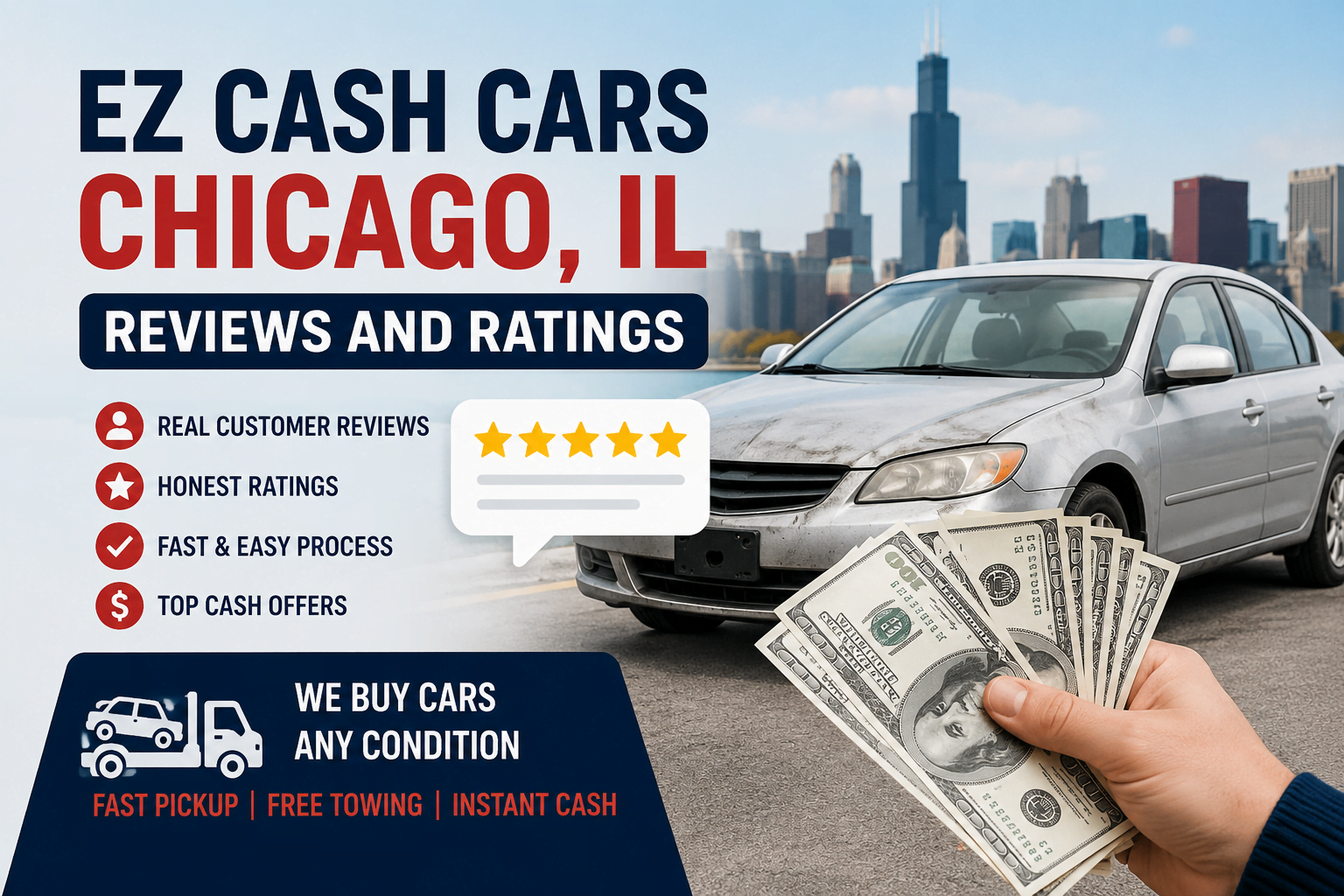
Some owners prefer working with experienced vehicle buyers because the process is often simpler than arranging private sales.Companies such as EZ Cash Cars Chicago IL help many vehicle owners by providing a straightforward selling process, reducing paperwork concerns, and making it easier to sell vehicles in different conditions.
Learn About Different Selling Options
Vehicle owners usually have several options:
- Private sale
- Dealer trade-in
- Online marketplace
- Local vehicle buying company
Each option has advantages depending on your goals, timeline, and vehicle condition.Understanding each choice helps you decide which method best fits your needs.
Vehicles in Any Condition May Still Have Value
Many people believe older or damaged vehicles have no value.In reality, buyers often purchase vehicles with:
- Engine problems
- Transmission issues
- Cosmetic damage
- High mileage
- Accident history
- Missing parts
- Non-running condition
Many companies that buy junk cars chicago evaluate vehicles based on reusable parts, recyclable materials, and overall condition, making it possible for owners to receive an offer even if the vehicle is no longer roadworthy.
Consider All Available Selling Opportunities
Every vehicle owner has different priorities.Some want the highest possible price, while others value convenience and speed.If your vehicle is no longer practical to repair, exploring options that provide money for junk cars chicago may help you understand what your vehicle is still worth without investing additional money into costly repairs.
Don’t Forget About Vehicle Pickup Services
Transportation can become difficult when a vehicle no longer runs.Fortunately, many sellers choose services that include junk car removal chicago, allowing non-running vehicles to be collected safely without requiring the owner to arrange separate towing.This can make the selling process much more convenient.
Final Thoughts
Selling a vehicle does not have to be stressful. Most problems can be avoided by preparing in advance, gathering the correct documents, understanding your vehicle’s value, and being honest about its condition.Take your time, compare your options, ask questions when needed, and make informed decisions throughout the process. Even if your vehicle is older, damaged, or no longer running, careful planning can help you complete the sale with confidence and avoid many of the common mistakes that sellers experience.
Frequently Asked Questions
How do I know if my vehicle is ready to sell?
Your vehicle is generally ready once you have gathered the necessary paperwork, removed personal belongings, cleaned it, and researched its approximate market value.
Should I repair my vehicle before selling it?
Not always. Compare the repair cost with the expected increase in selling price. Some repairs may not provide enough return to justify the expense.
What documents are commonly needed when selling a vehicle?
Most sales require the vehicle title and registration. Depending on your location, additional paperwork may also be required.
Is cleaning my vehicle really necessary?
Yes. Even basic cleaning improves appearance and helps create a better first impression for potential buyers.
Can I sell a vehicle that does not run?
Yes. Many buyers purchase vehicles that are damaged, have mechanical problems, or are no longer operational.
Why should I compare multiple offers?
Comparing offers helps you better understand your vehicle’s market value and allows you to make a more informed decision before selling.
What personal information should I remove before selling?
Delete saved contacts, navigation history, Bluetooth devices, mobile app connections, and any other personal information stored in the vehicle’s infotainment system.