

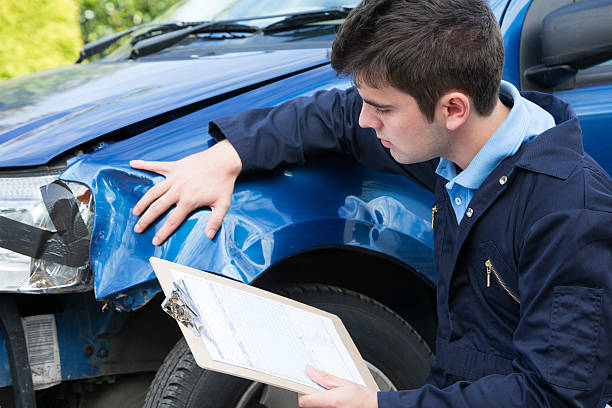
Luxury vehicles require flatbed transportation because standard wheel-lift methods cause severe drivetrain friction and body damage. Placing a high-end automobile entirely on a flat platform prevents tire wear, suspension strain, and bumper scraping during transit. Standard hook-and-chain setups pull cars at awkward angles, which compromises modern electronic differentials and sensitive low-clearance body panels. Dispatch centers like American Towing Service maintain specialized fleets equipped to handle these delicate mechanical alignments without risking structural integrity.
Key Takeaways
- Flatbed decks eliminate all wheel contact with the pavement to protect sensitive drivetrains.
- Hydraulic ramps lower to optimal angles for low-clearance exotic sports cars.
- Modern all-wheel-drive configurations experience zero transmission stress when fully elevated.
- Secure synthetic tie-down straps anchor vehicles firmly without scratching factory wheel finishes.
Operating a premium automobile involves understanding the complex engineering beneath the chassis. Traditional towing lifts one axle while leaving the remaining wheels rolling on the asphalt, spinning gears inside a dead transmission. This unlubricated movement destroys complex gearboxes within mere miles, turning a simple transport situation into a mechanical disaster.
Understanding Specialized Mechanics and Drivetrain Engineering
Modern sports cars and premium SUVs possess intricate multi-link suspension designs and low-profile tires that require flat platforms. When standard wreckers hoist a vehicle by its tires, the constant bumps on the roadway transfer immense pressure directly into the steering rack. Over time, these subtle impacts bend tie rods and knock tracking alignments out of balance, forcing owners into expensive repair shops.Statistical data from automotive manufacturing associations indicates that eighty-five percent of new luxury vehicles feature full-time all-wheel drive. These configurations distribute engine power to every wheel simultaneously through interconnected transfer cases and computer-controlled clutches. Forcing two wheels to spin while the other two remain locked in place strips the internal clutch packs rapidly, generating intense internal heat.
Essential Vehicle Protection Dynamics
- Hydraulic lift systems level the bed completely for smooth, seamless vehicle loading.
- Four-point wheel straps isolate the chassis to prevent body panels from shifting.
- Zero pavement contact shields the undercarriage from highway gravel and debris.
- Specialized winch dampening cables eliminate sudden jolts during the loading process.
Regional Navigation Hurdles and Specialized Transport Solutions
Maneuvering through mountainous regions or rural highways requires heavy-duty machinery built to withstand sudden elevation changes and gravel switchbacks. Drivers facing mechanical failures on remote canyon routes face unique obstacles due to patchy communication networks and narrow shoulders. Having a flatbed deck allows recovery teams to pull vehicles directly from tight spaces onto a secure steel platform without scraping the underbody.Stranded motorists in specific remote areas require dispatchers who understand the geographic nuances of distant rural corridors. Finding a reliable flatbed towing service in Circleville, UT ensures that specialized hydraulic equipment arrives equipped to handle steep gravel declines and high-altitude recoveries. Local operators possess extensive knowledge of local weather shifts, ensuring that exotic and all-wheel-drive models remain safe during hazardous mountain travel.Securing a premium vehicle on a flat platform prevents sway when navigating sharp turns or high-wind valley passes. The wide footprint of a recovery truck lowers the overall center of gravity, keeping the cargo stationary. This spatial stability remains essential when traveling long distances across rugged state highways toward specialized repair facilities.
Critical Safety Priorities During High-Altitude Transport
- Hydraulic leveling mechanisms compensate for uneven gravel shoulders during roadside loading.
- Industrial winches control vehicle ascent angles to prevent low front splitters from scraping.
- Heavy-duty wheel blocks immobilize the vehicle completely against extreme gravitational changes.
- Synthetic strap webbing secures high-end alloys without contacting sensitive brake calipers.
Crucial Decision Factors Before Confirming Roadside Assistance
Automobile owners must review several distinct operational items before allowing a recovery truck to connect to their bumper. Verifying the specific towing method remains paramount, as standard hook systems risk scratching aftermarket fiberglass kits or expensive carbon fiber body panels. Requesting a dedicated flatbed deck ensures that the entire physical footprint stays isolated from the road surface throughout the journey.Insurance coverage parameters represent another vital consideration for individuals managing premium exotic assets. Vehicle owners should confirm that the recovery company possesses adequate cargo insurance limits that reflect the actual replacement value of specialized machinery. Reputable providers maintain substantial liability policies, offering peace of mind to owners transporting rare collector cars or high-end luxury sedans.Time constraints and route planning also alter the decision-making process for long-distance transport logistics. Transporting an asset across county lines requires experienced operators who understand weight distributions and balance considerations on highway overpasses. Selecting a company with late-model machinery minimizes mechanical breakdowns during transit, ensuring predictable delivery windows.
Actionable Roadside Preservation Strategies for Owners
Securing a premium vehicle while waiting for a recovery operator involves several proactive steps to minimize peripheral damage. Drivers must keep the front wheels straight to ensure a clean winch pull up the hydraulic ramp. Turning the wheels askew forces the tires to scrub against the steel bed rails, risking alignment damage.Documenting the pristine condition of the automobile before transport protects the owner from fraudulent insurance claims later. Capturing clear photographs of the bumpers, wheels, and rocker panels establishes an undeniable visual record of the pre-tow status. This documentation verifies that the vehicle arrived at the destination in the exact condition it left the scene.
Practical Steps for Roadside Protection
- Straighten the front steering wheel completely to facilitate straight winch tracking.
- Photograph every exterior angle to create an accurate pre-transport structural record.
- Put the transmission system into neutral only when the operator initiates the winch.
Conclusion
Transporting luxury vehicles demands specialized flatbed equipment to prevent severe drivetrain degradation and cosmetic body imperfections. Eliminating road surface contact shields sensitive components from unnecessary mechanical friction and flying highway debris. Prioritizing correct flatbed configurations preserves long-term vehicular worth and keeps advanced engineering systems working as intended.
Connect With Professional Recovery Specialists
Securing specialized vehicle transit demands a commitment to pristine mechanical handling and careful roadside protocols. The dedicated transport team provides meticulous loading methods, modern flatbed platforms, and comprehensive logistics for elite passenger vehicles. Connect directly with the dispatch office to arrange secure regional transport, explore long-distance hauling configurations, and receive immediate assistance from highly trained operators focused on automotive preservation.
Frequently Asked Questions
Can all-wheel-drive vehicles travel safely on traditional two-wheel dollies?
Traditional dollies leave two wheels rolling on the highway, which causes extreme heat buildup inside all-wheel-drive transfer cases. A flatbed truck remains the only truly safe option for these specific drivetrains.
What happens if an exotic car with low clearance uses a standard tow truck?
Standard tow trucks lift vehicles by the tires at steep vertical angles, forcing front bumpers to scrape against the asphalt. Flatbed trucks utilize extended ramps to maintain a minimal incline during loading.
Are synthetic wheel straps safer than metal chains for securing luxury vehicles?
Metal chains can scratch aluminum wheels and bend delicate suspension components during transit. Synthetic straps wrap around the tires directly, avoiding metal-on-metal contact with the vehicle chassis.
Should a vehicle remain in park while being winched onto a flatbed platform?
The vehicle must rest in neutral during the winching process to prevent parking pawl fractures inside the transmission. Once completely level on the flatbed deck, the operator secures the transmission in park.