

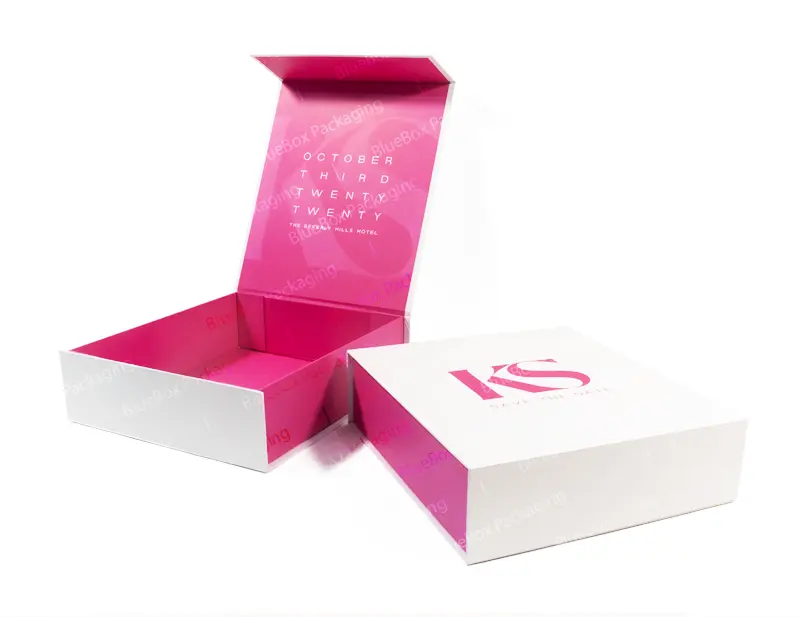
In today’s competitive packaging market, businesses are focusing on both appearance and durability. Corrugated boxes are no longer just protective containers. They are becoming a canvas for branding. Advanced printing techniques help enhance visual appeal while maintaining structural integrity. Among these, flexography, digital, and hybrid printing methods are leading the industry.
Flexography: The Traditional Powerhouse for Corrugated Boxes
Flexography has long been a staple for printing on corrugated packaging. This technique uses flexible plates that transfer ink directly onto the surface. It is highly efficient for large production runs. It works on a variety of substrates, including different types of corrugated board. One of its key benefits is the ability to print high-speed without compromising quality.
The process allows for vibrant colors and sharp details, making it suitable for brand-focused packaging. Flexography can also handle various ink types, such as water-based, solvent-based, and UV-cured inks. This versatility ensures that the printed output can meet different environmental and regulatory standards.
Another advantage is cost-effectiveness for bulk orders. Initial setup might be higher due to plate creation, but per-unit costs decrease significantly with volume. This is why manufacturers often rely on flexography for large-scale production. It is particularly suitable for standard corrugated designs that require consistent quality across thousands of boxes.
Flexography also supports multi-color printing with precise registration. Modern machines can print up to eight colors, allowing complex designs to be reproduced accurately. Maintenance and cleaning have improved in recent years, making the process more sustainable. By reducing waste and using eco-friendly inks, flexography aligns with growing environmental concerns in the packaging industry.
Digital Printing: The Future of Customization
Digital printing is transforming how corrugated packaging is produced. Unlike traditional methods, it does not require printing plates. This allows for greater flexibility in design changes and shorter production runs. Companies can now print smaller batches with unique designs at competitive prices.
Digital technology enables precise color management, ensuring consistent output across multiple boxes. The ability to produce high-resolution graphics makes it ideal for premium packaging. It also allows printing directly onto the corrugated surface, which reduces the need for extra labels or stickers.
One major advantage is speed from design to production. Brands can quickly test new graphics, seasonal promotions, or limited-edition packaging without long lead times. Digital printing also supports variable data printing, meaning each box can have unique codes, QR codes, or images. This is a valuable tool for marketing campaigns and tracking inventory.
Sustainability is another strength of digital methods. There is less waste during setup because no plates are needed. Inks are often water-based or low-VOC, reducing environmental impact. Digital printing also allows for on-demand production, which helps lower storage costs and reduces overproduction.
While digital printing is generally best for small to medium-sized runs, it is increasingly capable of handling larger volumes. Advanced machines now combine speed and quality, rivaling traditional methods. For businesses seeking high-quality visuals, fast turnaround, and flexibility, digital printing is becoming the preferred solution for printed corrugated boxes.
Hybrid Printing: Combining Strengths for Versatility
Hybrid printing merges the benefits of both flexography and digital printing. It uses plates for base colors and digital technology for detailed graphics. This approach offers the best of both worlds: high speed for large areas and precise customization for small details.
Brands gain flexibility in design without sacrificing efficiency. For instance, background colors can be applied using flexography, while logos, text, and intricate graphics are printed digitally. This method is ideal for medium to large production runs where visual quality is critical.
Hybrid printing also reduces production costs by minimizing plate usage for small design elements. At the same time, it keeps the advantages of digital customization. Companies can adjust graphics quickly without restarting the entire process. This makes hybrid printing highly adaptable for seasonal packaging or promotional campaigns.
Another benefit is better material utilization. Hybrid systems can handle complex corrugated substrates that may be challenging for traditional methods alone. They offer consistent registration and high-resolution output, ensuring the final product looks professional.
In addition, hybrid printing supports sustainable practices. Reduced waste and lower ink consumption contribute to environmentally responsible production. Brands can deliver visually striking printed corrugated boxes while aligning with green packaging initiatives. Overall, hybrid printing is redefining efficiency, quality, and flexibility in the packaging industry.
Choosing the Right Ink for Corrugated Printing
The choice of ink is critical for achieving high-quality results. Different printing methods require specific inks that interact well with the corrugated surface. Flexography typically uses water-based, solvent-based, or UV-cured inks. Digital printing mostly relies on water-based or UV inks, while hybrid systems can accommodate both types.
Water-based inks are environmentally friendly and safe for food packaging. They offer bright colors and good adhesion but may require slower drying times. Solvent-based inks provide fast drying and vibrant colors, though they have higher environmental and safety concerns. UV-cured inks dry instantly under ultraviolet light, offering sharp details and excellent durability.
Ink selection also affects cost and production speed. High-opacity inks can reduce the number of passes needed, saving time and energy. Matching the right ink with the printing method ensures that the graphics remain consistent across all boxes.
Proper ink management can also prevent common printing issues such as smudging, bleeding, or fading. By selecting the right type and formulation, manufacturers can produce printed corrugated boxes that maintain their visual appeal throughout handling, shipping, and storage.
Prepress Preparation for Optimal Results
Successful printing starts with proper prepress preparation. This step involves designing, color separation, and plate or file creation. For flexography, plates must be accurately engraved to ensure sharp prints. Digital methods require precise file setup with correct resolution and color profiles.
Effective prepress ensures consistent registration and minimizes errors during production. Colors are calibrated to match brand guidelines, avoiding mismatches that can affect packaging appearance. This step also reduces waste by catching potential issues before printing.
Prepress preparation includes checking substrates and adhesives. Corrugated board must be flat and free from defects to prevent uneven printing. Advanced software tools can simulate the final print, allowing adjustments before production.
By investing time in prepress preparation, manufacturers can maintain high quality across multiple production runs. This reduces reprints and ensures that printed corrugated boxes meet both functional and aesthetic standards.
Quality Control and Inspection
Quality control is essential in advanced printing techniques. Visual inspections ensure that colors are consistent, registration is accurate, and graphics are sharp. Measurement tools may be used to verify ink density and alignment.
For flexography and hybrid methods, plate wear must be monitored to maintain print quality. Digital printing requires monitoring for streaks or irregularities caused by nozzle issues. Periodic testing ensures that any defects are detected early.
In addition, corrugated boxes must meet functional requirements. Strength, folding accuracy, and durability are evaluated alongside visual quality. Proper inspection ensures that printed boxes are not only attractive but also reliable during transport.
Consistent quality control reduces waste and increases customer satisfaction. It also allows brands to maintain a strong image, reinforcing trust in the product packaging.
Sustainability in Corrugated Box Printing
Sustainability is a growing concern in packaging. Printing processes now focus on reducing waste, using eco-friendly inks, and improving energy efficiency. Water-based and UV-cured inks are popular for their lower environmental impact.
Recycling and reusing corrugated materials is another key practice. Many printing methods are compatible with recycled substrates, making the final product more sustainable. Hybrid and digital technologies further minimize waste through precise ink application and on-demand production.
Brands can market printed corrugated boxes as environmentally responsible, appealing to consumers who value sustainability. By combining efficient printing techniques with eco-friendly materials, companies reduce their carbon footprint while delivering high-quality packaging.
Emerging Trends in Corrugated Box Printing
The industry continues to evolve with technological advancements. Automation, AI-driven color management, and high-speed presses are changing production standards. Smart packaging, such as QR codes and NFC tags, is becoming integrated into the design.
Personalization is a growing trend. Digital and hybrid printing allow unique designs for individual boxes. This opens new marketing opportunities, such as limited editions and interactive packaging.
Conclusion
Advanced printing techniques have transformed the way corrugated boxes are produced. Flexography offers high-speed efficiency and consistent quality, making it ideal for large-scale runs. Digital printing provides unmatched flexibility and customization, perfect for short runs or personalized designs. Hybrid methods combine the strengths of both, allowing brands to achieve speed, precision, and creative freedom simultaneously.
Choosing the right ink, careful prepress preparation, and strict quality control ensure that printed corrugated boxes are both visually appealing and durable. Sustainability and eco-friendly practices are now integral, helping brands reduce waste and meet environmental standards.
As technology continues to evolve, trends such as automation, smart packaging, and personalization will further enhance corrugated box printing. Businesses that adopt these advanced methods can deliver high-quality, attractive, and functional packaging, reinforcing their brand image and meeting consumer expectations.
Click Here: https://ibexpackaging.com/custom-corrugated-boxes/