

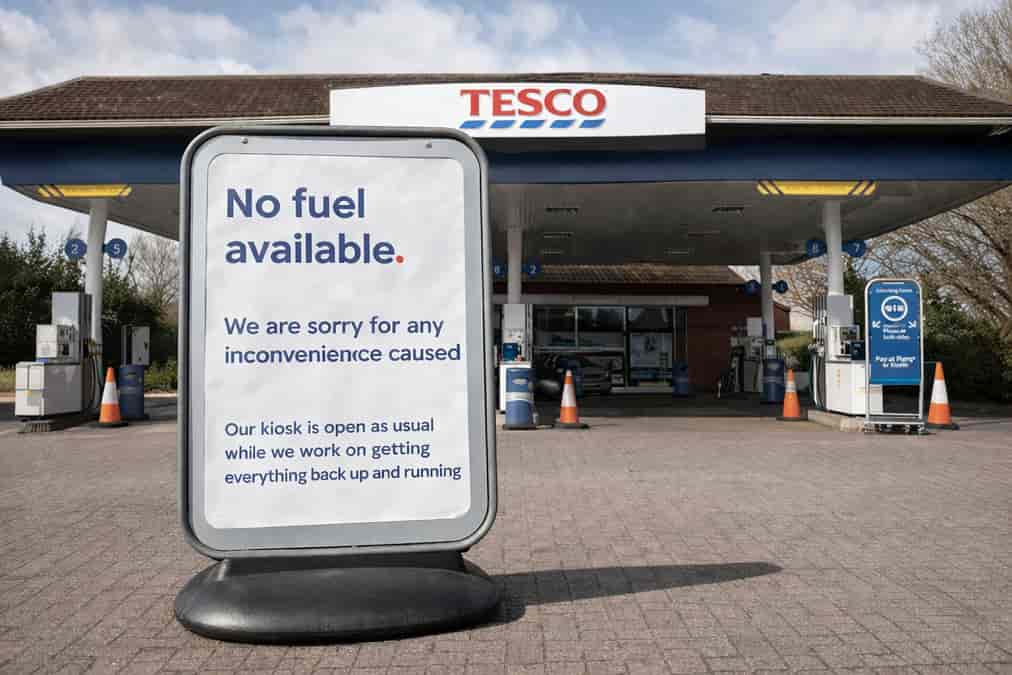
If you’re a driver in Scotland right now, you know the sinking feeling all too well. You pull into your local forecourt, expecting to top up the tank before the Easter weekend rush, only to see the pumps switched off and a handwritten “No Fuel” sign taped to the window. It’s not just one or two stations – reports are flooding in from across Fife, Dundee, Glasgow and beyond. Supermarket pumps at Asda, Tesco and Morrisons are among the hardest hit, leaving motorists frustrated, queues forming and journeys grinding to a halt.

In this comprehensive guide, we break down exactly what’s happening, why it’s happening, how it’s affecting everyday Scots, and what you can do to keep your plans on track.Whether you’re a daily commuter, a family heading away for the holidays, or a business owner relying on vans and lorries, this article has the answers you need right now.
The Current Situation: Which Areas in Scotland Are Worst Affected?
On Thursday 2 April 2026, drivers began sharing photos and videos of empty forecourts across central Scotland. In Fife, stations in Glenrothes, Dunfermline, Kirkcaldy, St Andrews, Dairsie and Cupar were among the first reported completely out of fuel.Dundee saw similar scenes, with multiple pumps closed by mid-morning. Further west, Glasgow’s Costco in Springburn became a focal point as hundreds of drivers queued for what little stock remained.
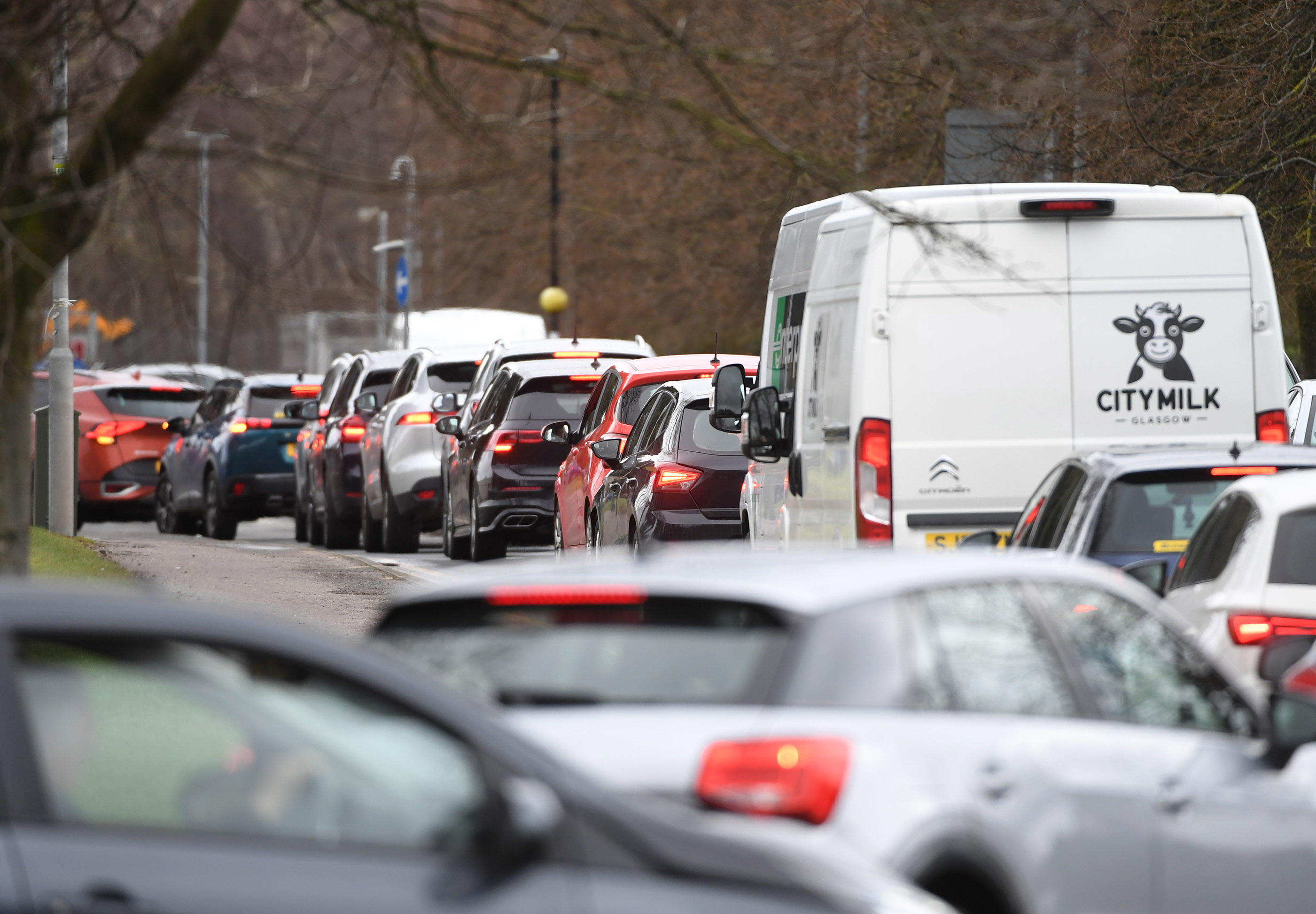
Social media has been alive with real-time updates. One motorist in Dunfermline tweeted: “Tesco and Asda both out. Morrisons pumps off too. This is madness ahead of Easter.” Independent stations and oil company forecourts (BP, Shell, Esso) appear to have held out longer in many cases, but even they are reporting longer-than-usual queues.
The Scottish Sun, Glasgow Times and STV News have all confirmed the closures, with footage showing “Sorry, out of use” signs on diesel and unleaded pumps.Rural areas are feeling the pinch hardest because tanker deliveries are less frequent and uk news24x7 demand from price-conscious drivers has surged.

Importantly, fuel suppliers insist there is no nationwide shortage. Deliveries are still flowing normally to terminals and depots.