

Asphalt paving is one of the most common methods used to create smooth, durable surfaces for roads, driveways, parking lots, pathways, and commercial properties. It is valued for its strength, affordability, and ability to handle heavy traffic while providing a clean and professional appearance.Many property owners use asphalt surfaces every day but may not fully understand how asphalt paving works or why it is such a popular choice. Learning about the paving process can help homeowners, business owners, and property managers make informed decisions when planning a paving project.
What Is Asphalt Paving?
Asphalt paving is the process of applying a mixture of aggregates and asphalt binder to create a strong, smooth surface. The aggregates usually include crushed stone, sand, and gravel, while the binder is a petroleum-based material that holds everything together.When combined and compacted properly, these materials form a durable pavement surface capable of supporting vehicles, pedestrians, and heavy equipment.Asphalt paving is commonly used for:
- Residential driveways
- Commercial parking lots
- Private roads
- Public streets
- Walkways and pathways
- Industrial facilities
- Recreational areas
Its flexibility and durability make it suitable for many different applications.
How Asphalt Paving Works
The asphalt paving process involves several important steps. Each stage plays a key role in creating a long-lasting pavement surface.
1. Site Evaluation and Planning
Before any paving begins, the area is inspected to assess its condition and determine the best approach.During this stage, contractors evaluate:
- Soil conditions
- Existing pavement damage
- Drainage requirements
- Traffic levels
- Surface dimensions
Proper planning helps ensure the pavement can handle future use and weather conditions.
2. Site Preparation
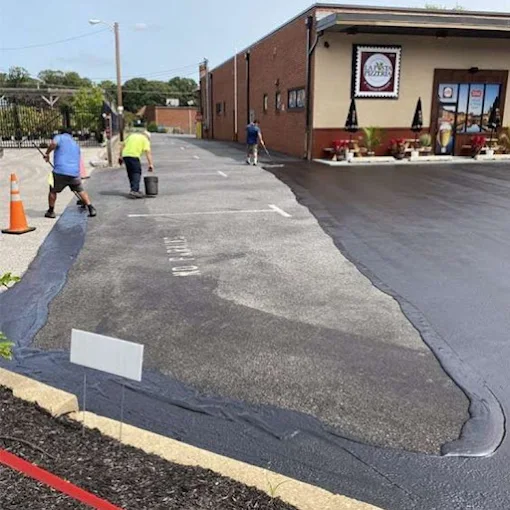
Preparation is one of the most important parts of the paving process. A strong pavement starts with a properly prepared foundation.Site preparation may include:
- Removing old pavement
- Clearing vegetation and debris
- Excavating unsuitable soil
- Grading the surface
- Improving drainage systems
A well-prepared site reduces the risk of future pavement problems.
3. Building the Base Layer
The base layer provides structural support for the asphalt surface.Typically, crushed stone or aggregate material is placed and compacted to create a stable foundation. The thickness of the base depends on the intended use of the pavement.For example:
- Residential driveways may require a thinner base.
- Commercial parking lots often need a thicker base to support heavier traffic.
A properly compacted base helps prevent cracking, settling, and surface failure.
4. Applying the Asphalt Mix
Once the base is complete, the hot asphalt mixture is delivered to the site.The asphalt is spread evenly using specialized paving equipment. The material is carefully placed to achieve the desired thickness and smoothness.Temperature is important during this stage because asphalt must remain hot enough to be properly shaped and compacted.
5. Compacting the Surface
After the asphalt is laid, rollers compact the material.Compaction removes air pockets and creates a dense, strong surface. This step improves durability and helps the pavement resist damage from traffic and weather.Proper compaction is essential for achieving a long-lasting pavement.
6. Cooling and Curing
Once compacted, the asphalt begins to cool and harden.Although the surface cools relatively quickly, it continues to strengthen over time. Depending on weather conditions and project size, the pavement may need a short period before it can handle regular traffic.Following recommended curing guidelines helps maximize pavement lifespan.
What Is Asphalt Made Of?
Asphalt pavement consists of two primary components:
Aggregates
Aggregates make up the majority of the asphalt mixture and include:
- Crushed stone
- Gravel
- Sand
These materials provide strength and structural support.
Asphalt Binder
The binder is a black, sticky substance derived from petroleum.Its role is to:
- Hold aggregates together
- Add flexibility
- Resist moisture penetration
- Improve pavement durability
The combination of aggregates and binder creates a strong and reliable pavement surface.
Benefits of Asphalt Paving
Many property owners choose asphalt because it offers several advantages.
Cost-Effective
Asphalt is often less expensive than many alternative paving materials. Installation is generally faster, which can reduce labor costs and project timelines.
Durable
Properly installed asphalt can withstand years of vehicle traffic and changing weather conditions.
Quick Installation
Compared to some paving options, asphalt projects can often be completed relatively quickly, minimizing disruptions.
Smooth Surface
Asphalt provides a smooth driving and walking experience, improving comfort and appearance.
Easy Maintenance
Routine maintenance such as crack filling, sealcoating, and minor repairs can help extend pavement life.
Recyclable Material
Asphalt is one of the most recycled construction materials. Existing asphalt can often be reused in future paving projects, reducing waste.
Common Types of Asphalt Paving Projects
Residential Driveways
Homeowners frequently choose asphalt driveways because they are durable, attractive, and relatively affordable.
Commercial Parking Lots
Businesses rely on asphalt parking lots to provide safe and organized parking areas for customers and employees.
Roadways
Many local roads and highways use asphalt because of its ability to handle high traffic volumes.
Walkways and Paths
Parks, schools, and residential communities often use asphalt for pathways due to its smooth finish.
How Long Does Asphalt Pavement Last?
The lifespan of asphalt pavement depends on several factors, including:
- Installation quality
- Traffic levels
- Climate conditions
- Drainage performance
- Maintenance practices
With proper care, asphalt surfaces can remain functional for many years.Regular inspections and timely repairs help maximize pavement performance and reduce long-term costs.
Common Asphalt Problems
Like any pavement material, asphalt can develop issues over time.
Cracks
Temperature changes, aging, and heavy traffic can cause cracks to form.
Potholes
Water infiltration combined with traffic pressure can lead to potholes.
Surface Wear
Over time, exposure to sunlight, rain, and vehicle traffic may cause surface deterioration.
Drainage Issues
Poor drainage can weaken pavement foundations and accelerate damage.Addressing these issues early helps prevent more extensive repairs.
How to Maintain Asphalt Pavement
Routine maintenance is important for preserving pavement quality.
Keep the Surface Clean
Remove dirt, debris, and vegetation regularly.
Repair Cracks Promptly
Small cracks can expand if left untreated.
Ensure Proper Drainage
Prevent standing water by maintaining effective drainage systems.
Schedule Regular Inspections
Periodic evaluations can identify minor issues before they become major problems.
Apply Sealcoating When Needed
Sealcoating can help protect asphalt from moisture, sunlight, and everyday wear.
Choosing a Professional Asphalt Contractor
A successful paving project depends on proper installation and quality workmanship.When selecting a contractor, consider:
- Industry experience
- Licensing and insurance
- Customer reviews
- Project portfolio
- Knowledge of local conditions
For example, Prestige Paving & Concrete Services provides paving and concrete solutions designed to meet the needs of residential and commercial property owners.
Conclusion
Asphalt paving is a practical and widely used solution for roads, driveways, parking lots, and other paved surfaces. The process involves careful planning, site preparation, base construction, asphalt application, and proper compaction to create a durable and reliable pavement.Understanding how asphalt paving works can help property owners make informed decisions about installation, maintenance, and long-term pavement care. With proper construction and routine maintenance, asphalt surfaces can provide years of dependable performance while enhancing both functionality and appearance.
Frequently Asked Questions
What is asphalt paving used for?
Asphalt paving is commonly used for driveways, roads, parking lots, walkways, and commercial properties due to its durability and cost-effectiveness.
How long does asphalt paving take?
The timeline depends on the size and complexity of the project. Smaller projects may be completed quickly, while larger commercial projects require additional time.
Is asphalt paving durable?
Yes. Properly installed and maintained asphalt pavement can withstand heavy traffic and changing weather conditions for many years.
What causes asphalt cracks?
Cracks can result from temperature fluctuations, water infiltration, aging, heavy traffic, and inadequate maintenance.
How can I make my asphalt last longer?
Regular cleaning, crack repairs, drainage maintenance, inspections, and sealcoating can help extend pavement life.
Is asphalt environmentally friendly?
Yes. Asphalt is highly recyclable and is commonly reused in paving projects, helping reduce material waste.
What is the difference between asphalt and concrete paving?
Asphalt is generally more flexible and faster to install, while concrete is often more rigid and may require longer curing times.
Why is a strong base important for asphalt paving?
The base layer supports the pavement structure and helps prevent settling, cracking, and premature surface failure.