

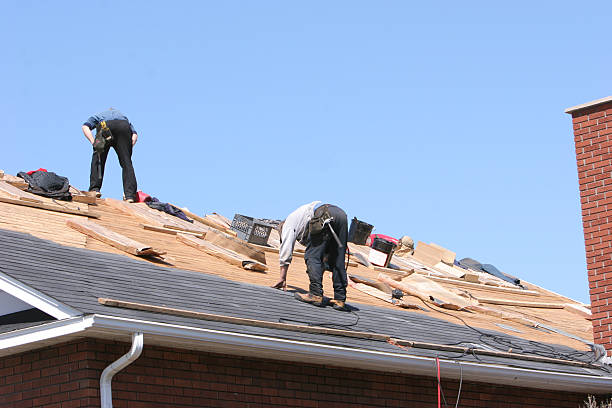
Flat roofing systems provide practical benefits for residential and commercial properties, but they require ongoing maintenance and timely repairs to remain effective. Because flat roofs have minimal slope, even minor roofing issues can lead to moisture intrusion, drainage problems, and structural concerns if left unresolved. Property owners who identify roofing problems early often reduce long-term repair needs and improve overall roof performance. Seattle Roof Systems helps property owners evaluate roofing conditions and identify repair solutions suited to local weather conditions. Roof Repair in Seattle, WA is commonly recommended when leaks, membrane damage, drainage concerns, or weather-related deterioration begin affecting a roofing system.
Key Takeaways
- Flat roofs require routine inspections to identify developing issues.
- Prompt repairs help reduce the risk of moisture intrusion.
- Seattle’s climate increases the importance of proper roof maintenance.
- Professional evaluations uncover hidden roofing concerns.
- Preventive care supports long-term roof performance.
Why Timely Flat Roof Repairs Are Important
Flat roofing systems depend on effective drainage and membrane integrity to provide reliable protection. When damage occurs, water can remain on the roof surface longer than it would on a steep-slope roof, increasing the likelihood of leaks and deterioration.Minor issues such as punctures, seam separation, flashing damage, or drainage blockages can gradually develop into larger structural concerns. Delaying repairs often allows moisture to penetrate roofing components, insulation, and support structures.Professional assessments help identify roofing vulnerabilities early and support more effective repair planning.
Common Flat Roofing Problems Found In Seattle
Seattle’s climate creates conditions that place ongoing stress on flat roofing systems. Frequent rainfall and prolonged moisture exposure can accelerate roofing wear and contribute to water-related damage.Some of the most common issues include ponding water, membrane deterioration, flashing failures, clogged drains, seam separation, and moisture intrusion. These concerns often develop gradually and may not become visible until damage has already progressed.Routine inspections help property owners identify these issues before they compromise roof performance.
How Weather Conditions Affect Flat Roofing Systems
Flat roofs experience constant exposure to environmental conditions, making weather resistance a critical factor in long-term performance. Seattle’s rainfall can worsen existing roofing issues when repairs are delayed.Many property owners consult Flat Roof Leak Repair Specialists when evaluating roofing systems affected by moisture intrusion or weather-related deterioration. Roofing professionals familiar with Pacific Northwest conditions understand how rainfall, humidity, and seasonal weather changes impact flat roofing materials and repair requirements.Local expertise helps ensure roofing solutions align with environmental demands and long-term maintenance goals.
Warning Signs That A Flat Roof May Need Repairs
- Standing water remaining after storms.
- Water stains on ceilings or walls.
- Visible membrane damage.
- Cracks around flashing or penetrations.
- Recurring moisture-related concerns.
These warning signs often indicate that professional roofing attention may be necessary.
What Roofing Professionals Evaluate During Flat Roof Inspections
A comprehensive roof inspection involves reviewing multiple components that contribute to overall roofing performance. Professionals assess both visible damage and hidden vulnerabilities that may affect long-term reliability.Inspections often include evaluations of roofing membranes, flashing systems, roof penetrations, drainage pathways, insulation conditions, and structural decking. Moisture intrusion and weather-related deterioration are also carefully reviewed.Detailed assessments help property owners understand current roofing conditions and prioritize repair needs.
Key Areas Commonly Reviewed During Assessments
- Roofing membrane condition.
- Drainage system functionality.
- Flashing and penetration integrity.
- Insulation effectiveness.
- Structural roof components.
These evaluations provide valuable insight into both immediate concerns and future maintenance priorities.
Benefits Of Addressing Flat Roof Damage Early
Prompt repairs help reduce the likelihood of larger structural issues and extensive restoration work. Small roofing concerns can often be corrected before moisture spreads throughout the roofing system.Property maintenance research consistently highlights the value of proactive roof care. Early intervention helps preserve roofing materials, support structural integrity, and improve long-term roof performance.Property owners who respond quickly to warning signs often experience fewer disruptions and reduced maintenance challenges.
Repair Solutions Commonly Used For Flat Roof Systems
The appropriate repair strategy depends on the roofing material, the extent of damage, and the condition of surrounding components. Some situations require localized membrane repairs, while others involve flashing replacement, drainage improvements, or seam restoration.Many property owners work with Commercial Flat Roof Repair Services when evaluating repair solutions designed to restore roofing performance and prevent future issues. Professional assessments help determine which repair approach best aligns with the condition of the roofing system.Understanding available repair options supports informed maintenance planning and long-term property protection.
Best Practices For Maintaining Flat Roof Performance
- Schedule annual roofing inspections.
- Keep roof drains clear of debris.
- Address membrane damage promptly.
- Inspect roofing systems after major storms.
- Maintain detailed maintenance records.
These practices help preserve roofing performance and reduce preventable roofing concerns.
Choosing A Qualified Roofing Professional
Selecting an experienced roofing professional is an important step when addressing flat roof damage. Property owners should evaluate qualifications, inspection procedures, communication standards, and regional expertise before making a decision.Professionals familiar with Seattle’s climate can provide recommendations tailored to local environmental conditions and roofing requirements. Detailed inspections and transparent communication often contribute to more effective repair outcomes.Working with qualified roofing specialists helps ensure repairs address both visible symptoms and underlying causes.
Additional Tips For Protecting Roofing Investments
Maintaining records of inspections, repairs, and maintenance activities can simplify future roofing evaluations. Documentation helps track roofing performance and identify recurring concerns over time.Property owners should also inspect interior spaces following severe weather events. Water stains, damp insulation, or unusual odors may indicate developing roofing problems that warrant professional attention.Routine inspections remain one of the most effective ways to extend roof lifespan and preserve long-term property protection.
Conclusion
Flat roofing systems require ongoing maintenance and timely repairs to maintain reliable performance. Professional evaluations, preventive maintenance, and prompt corrective action help reduce the risk of moisture intrusion and structural damage. Property owners often benefit from improved roof longevity, enhanced weather resistance, and stronger property protection. Consistent roofing care remains an essential component of responsible building maintenance and long-term asset preservation.
Contact Trusted Professionals
Property owners seeking assistance can contact for professional inspections, roofing evaluations, and repair recommendations. Experienced roofing specialists understand Seattle’s environmental challenges and can identify issues before they become major structural concerns. Scheduling a professional assessment supports informed maintenance planning, long-term property protection, and improved roofing performance. Local expertise combined with detailed inspections helps property owners preserve roof integrity while reducing the likelihood of future roofing problems.
Frequently Asked Questions
What causes most flat roof problems?
Ponding water, membrane deterioration, flashing damage, drainage issues, and prolonged moisture exposure are among the most common causes.
How often should flat roofs be inspected?
Most roofing professionals recommend annual inspections and additional evaluations after significant weather events.
Can standing water damage a flat roof?
Yes. Prolonged standing water can accelerate material deterioration and increase the likelihood of leaks and moisture intrusion.
What are common signs that flat roof repairs may be needed?
Water stains, membrane damage, drainage issues, visible cracks, and recurring moisture concerns are common indicators.
Why is preventive maintenance important for flat roofs?
Preventive maintenance helps identify developing issues early, reducing repair needs and supporting long-term roofing performance.